
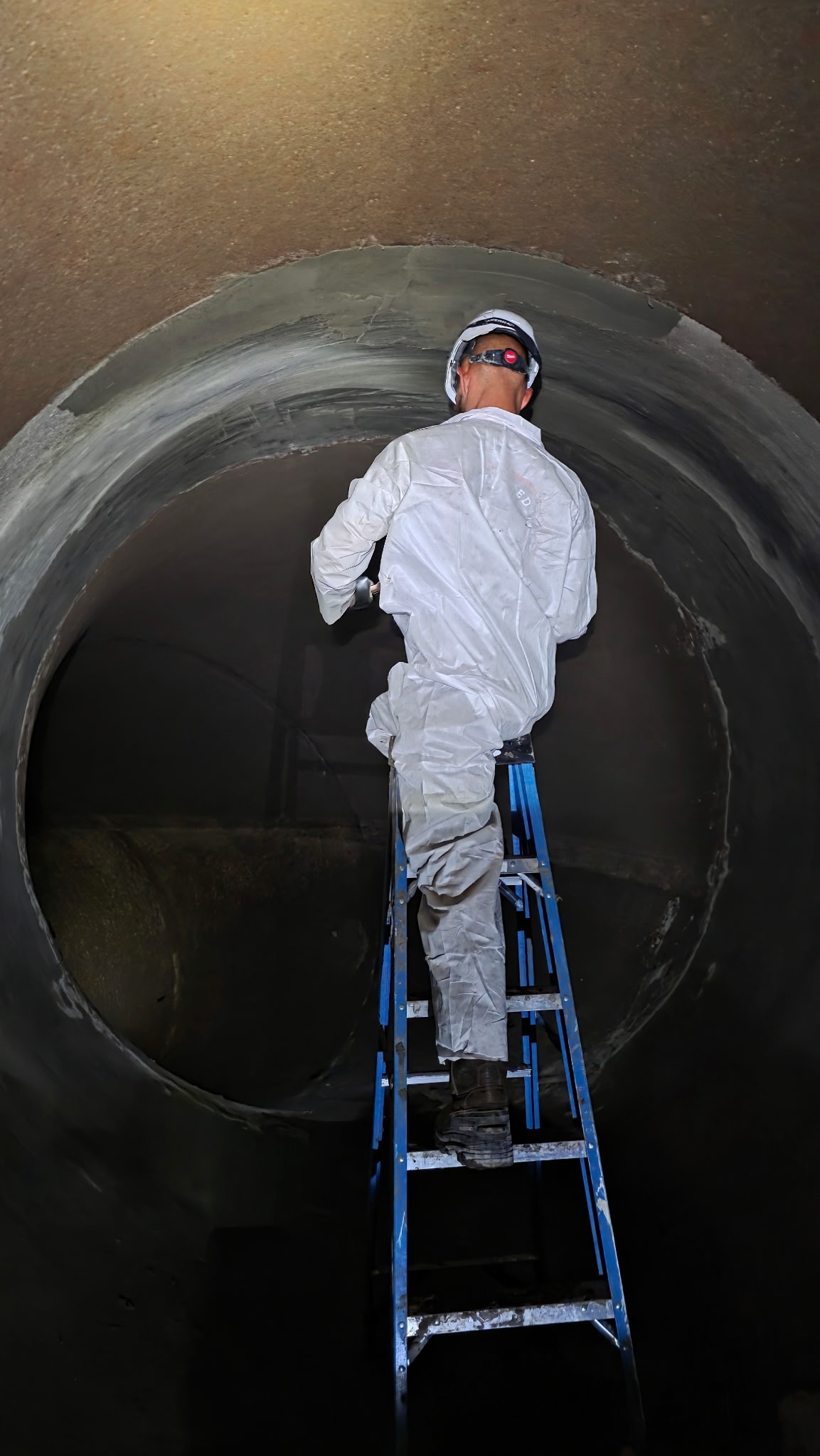
aging infrastructure pipe repair
Aging pipes do not always fail in the same way, which means they should not always be repaired the same way. Some pipelines need reinforcement because the host pipe has lost strength. Others may still be structurally sound but need sealing, corrosion protection, leak control, or improved flow. Understanding the difference between structural and non-structural rehabilitation is an important part of choosing the right aging infrastructure pipe repair strategy.
For commercial, municipal, industrial, and government facilities, the decision is rarely as simple as “repair or replace.” Excavation can disrupt roads, buildings, production areas, stormwater systems, sewer lines, and occupied facilities. That is why trenchless methods are often considered first. The goal is to restore performance from inside the existing pipe with less surface disruption, shorter shutdowns, and a repair plan matched to the actual condition of the system.
Structural and non-structural repairs can both be valuable. The key is knowing what each option is designed to do.
What Makes a Pipe Repair Structural?
A structural repair is designed to restore or replace load-bearing capacity inside the existing pipeline. In other words, the liner or rehabilitation system is intended to help the pipe function as a renewed pipe, not just a coating or seal.
This matters when the host pipe is cracked, deteriorated, weakened, leaking at joints, affected by corrosion, or no longer reliable enough on its own. In many cases, a structural liner can bridge defects, reduce infiltration and exfiltration, and create a new pipe wall inside the old one.
Structural rehabilitation may be considered for:
- Large sewer mains
- Storm drains and culverts
- Industrial process lines
- Vertical drains and risers
- Municipal wastewater systems
- Pipes with cracking, missing material, or deformation
- Lines where long-term strength is a priority
Cured-in-place pipe, often called CIPP, is one of the most common structural rehabilitation methods. With this approach, a resin-saturated liner is installed inside the existing pipe and cured in place. Once cured, it forms a jointless pipe-within-a-pipe that can seal leaks and restore strength.
For larger systems, large-diameter CIPP can be used when pipe size, access, shape, and condition make it a good fit. It is often selected for gravity sewer lines, storm drains, and similar infrastructure where excavation would be disruptive or impractical.
What Makes a Pipe Repair Non-Structural?
A non-structural repair is not primarily designed to carry the pipe’s load. Instead, it helps protect, seal, coat, or improve the existing pipe when the host pipe still has enough structural integrity to remain in service.
Non-structural repairs can still be extremely important. A pipe may not be collapsing, but it may have internal corrosion, rough surfaces, minor leaks, buildup, or material loss that will worsen if left untreated. In those cases, a coating or lining approach can help protect the pipe interior and improve performance without requiring full structural reinforcement.
Non-structural rehabilitation may be for:
- Improve corrosion resistance
- Reduce interior buildup
- Seal minor leaks
- Improve flow characteristics
- Protect pipes from aggressive waste streams
- Extend the service life of a still-stable pipe
- Reduce maintenance needs
Epoxy coating is a common example. It can create a protective barrier inside the pipe, helping improve resistance to corrosion and buildup. Spray-in-place pipe repair may also be used in certain applications, depending on the pipe condition, material, diameter, and project requirements.
The important distinction is this: non-structural methods support the existing pipe’s performance, while structural methods are used when the pipe needs renewed strength.
Aging Infrastructure Pipe Repair Starts with Inspection
The right repair method depends on the pipe’s actual condition, not assumptions. Before choosing a structural or non-structural approach, a thorough inspection is essential.
Video camera inspections help identify problems such as:
- Cracks
- Root intrusion
- Joint separation
- Corrosion
- Scaling
- Debris
- Leaks
- Pipe deformation
- Blockages
- Missing pipe material
For large or complex systems, inspection can also help determine access needs, bypass requirements, cleaning needs, pipe diameter, flow conditions, and whether the system can remain partially operational during rehabilitation.
This step matters because two pipes can look similar from the outside but require very different solutions. A storm drain with surface corrosion may be a candidate for coating or spray-applied rehabilitation. A sewer main with major cracking or loss of wall integrity may need a structural liner. A vertical drain in a multi-story building may require a different installation strategy than a municipal culvert or industrial line.
Good underground pipe rehabilitation solutions start with diagnostics. The repair plan should follow the evidence.
When Structural Rehabilitation Is the Better Fit
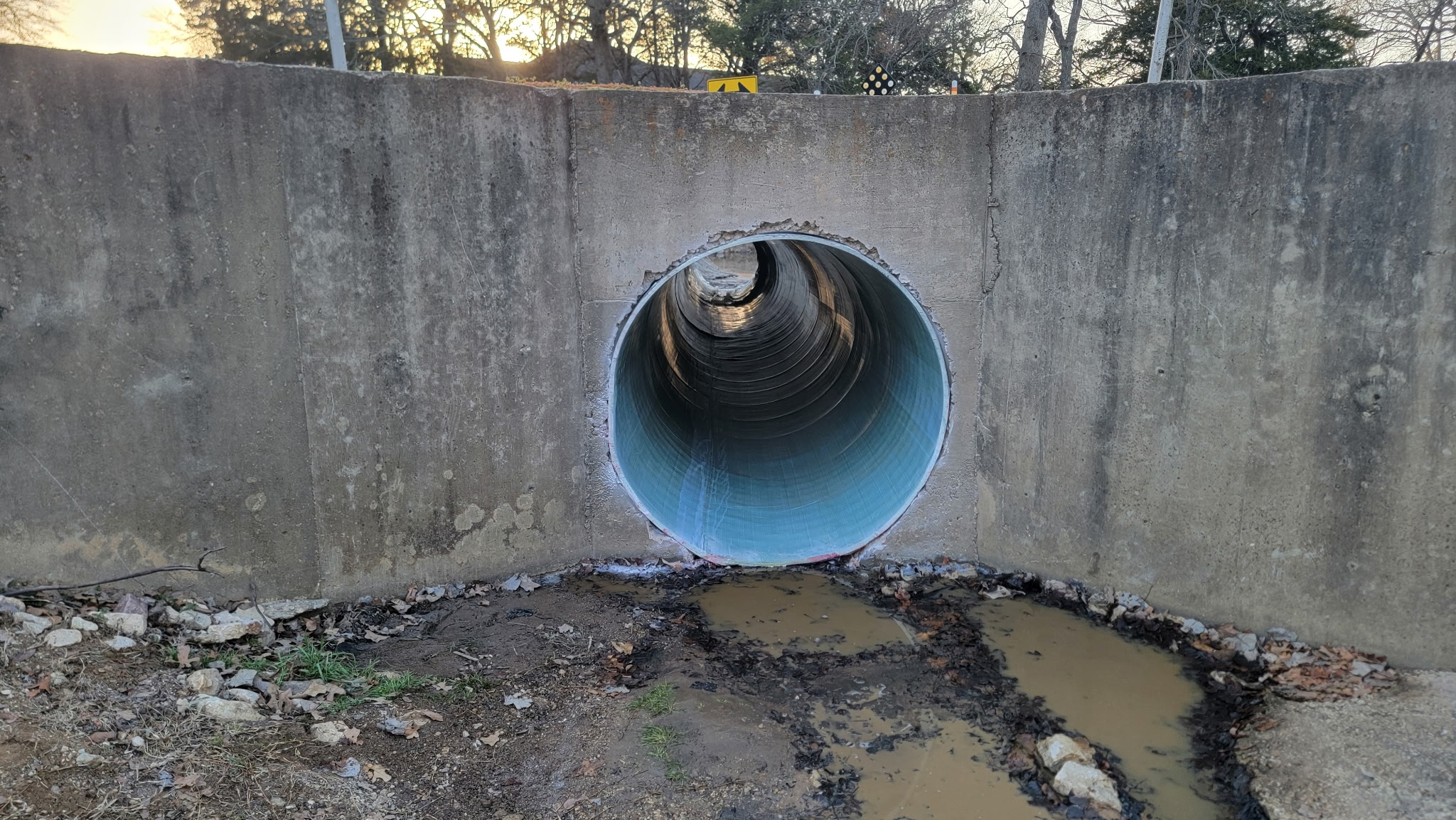
Structural rehabilitation is typically the better choice when the existing pipe can no longer be trusted to perform on its own. The host pipe may still be in place, but it may need internal reinforcement to remain reliable.
This may be the case when a pipe has:
- Significant cracking
- Leaking joints
- Corrosion-related wall loss
- Infiltration from groundwater
- Exfiltration into surrounding soil
- Deterioration from age or chemical exposure
- Structural instability
- Repeated failures or emergency repairs
CIPP can be especially useful because it creates a continuous liner inside the pipe. That jointless interior can reduce leakage points and improve flow. UV CIPP may also be used in certain applications where ultraviolet curing is appropriate for the liner system and project conditions.
For municipalities, this can be an important option for sewer and stormwater assets under roads, sidewalks, campuses, and developed areas. For industrial facilities, it can reduce the need to excavate around production areas or shut down critical infrastructure for extended periods.
Structural rehabilitation is not just about fixing a current leak. It is often about extending the service life of the asset and reducing the risk of future failure.
When Non-Structural Rehabilitation Makes More Sense
Non-structural rehabilitation may be the better fit when the pipe is still stable but needs protection or performance improvement. In these cases, the goal is not necessarily to create a fully load-bearing new pipe. The goal is to preserve what is already there and prevent deterioration from becoming worse.
This can be especially helpful in systems experiencing corrosion, buildup, or minor defects. Epoxy coating, for example, may be an option to improve the pipe’s internal surface and protect it from more wear. Pressure lining may be helpful for specific pipe systems that handle pressure, steam, or aggressive media. Manhole restoration may be part of a broader plan when manholes are contributing to infiltration, corrosion, or system deterioration.
Non-structural repairs can be a practical choice when:
- The host pipe remains structurally sound
- Corrosion protection is the priority
- The pipe interior needs a smoother surface
- The system needs leak reduction but not full reinforcement
- Access is challenging
- Downtime needs to be low
- A targeted repair is more appropriate than full replacement
This is where trenchless pipe repair should be among the category of solutions, not one single method. The best method depends on what the pipe needs to keep working safely and efficiently.
How Pipe Size Impacts the Repair Method
Pipe diameter plays a major role in method selection. Small-diameter building drains, vertical stacks, large storm drains, culverts, and municipal sewer mains all have different access and installation requirements.
For large-diameter systems, crews may need specialized equipment, cleaning methods, robotic application systems, engineered liners, or project-specific bypass plans. Large storm drains and culverts may be candidates for spray-applied systems, CIPP, or other rehabilitation approaches depending on the level of deterioration and the performance requirements.
Large-diameter CIPP is not only simply because a pipe is big. It is a great option when the project calls for a structural liner and the pipe conditions support that method. In other cases, spray-in-place rehabilitation or coatings may be more appropriate.
The same logic applies to vertical systems. Vertical pipeline rehabilitation requires careful planning because the pipe’s orientation, access points, building occupancy, and connection branches can affect what is necessary. The repair plan must match the real-world environment, not just the pipe material.
Structural vs Non-Structural: A Practical Comparison
A simple way to understand the difference is to look at the purpose of the repair. Structural rehabilitation is for when the pipe needs new strength. It is typically the right fit for more serious deterioration, cracking, leaking, or loss of integrity.
Non-structural rehabilitation is chosen when the pipe needs protection, sealing, or improved internal performance but still has enough strength to remain in service.
| Feature | Structural Rehabilitation | Non-Structural Rehabilitation |
|---|---|---|
| Primary Purpose | Restore or replace pipe strength | Protect and improve existing pipe performance |
| Pipe Condition | Severely deteriorated or compromised | Structurally sound but showing wear or corrosion |
| Load-Bearing Capability | Designed to carry structural loads | Not intended to carry structural loads |
| Common Methods | CIPP, UV CIPP | Epoxy coating, spray-in-place lining |
| Typical Use Cases | Cracked, leaking, or weakened pipes | Corrosion protection, minor leaks, flow improvement |
| Longevity Impact | Significant extension of service life | Moderate extension depending on conditions |
Why Trenchless Methods Are the Top Choice
Traditional dig-and-replace repairs can be necessary in some cases, but they often come with major disruption. Excavation may affect traffic, landscaping, utilities, building access, facility operations, and project timelines. In dense commercial, municipal, and industrial environments, the indirect costs can be just as concerning as the repair itself. Trenchless rehabilitation can often reduce those impacts by using existing access points. Depending on the system and repair method, this can help avoid large-scale excavation while still addressing pipe deterioration.
Final Thoughts
Structural and non-structural rehabilitation both have an important place in modern pipe restoration. The right approach will always depend on the unique needs and status of the pipeline.
For aging infrastructure pipe repair, the right answer starts with a careful inspection and a clear understanding of what the pipe needs to keep performing. Advanced Pipe Repair provides trenchless rehabilitation options for commercial, municipal, government, industrial, and residential systems, helping customers evaluate practical repair methods without unnecessary excavation.
Contact us at Advanced Pipe Repair to schedule an evaluation and discuss the right trenchless rehabilitation approach for your pipeline.