
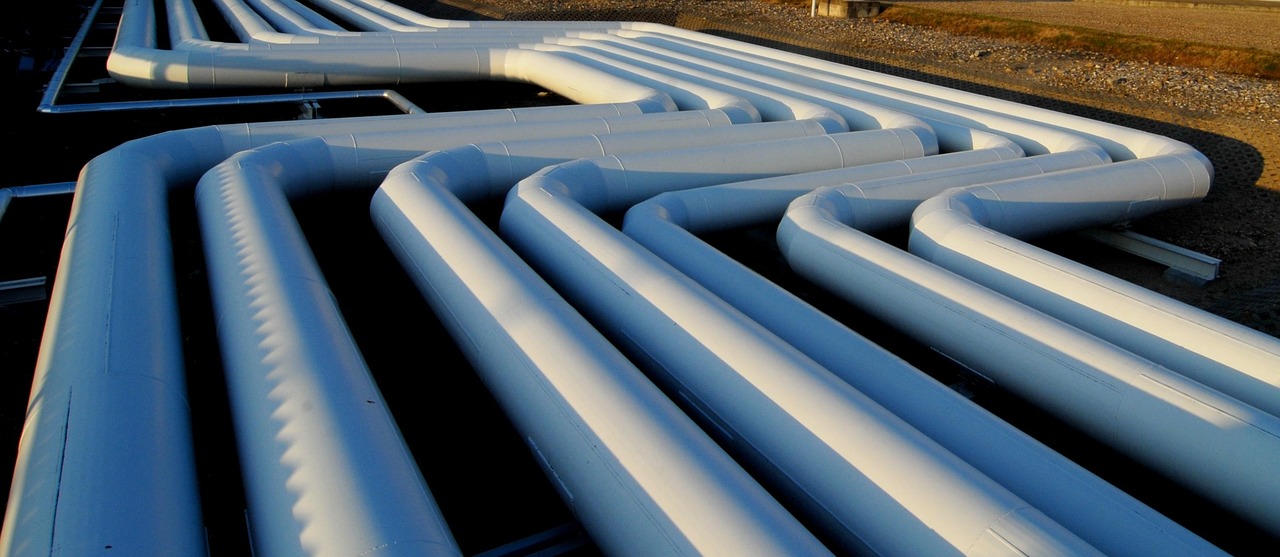
Photo by bstad on Pixabay https://pixabay.com/photos/industry-conduit-steel-corridor-2632179/
Selecting a large-diameter pipeline rehabilitation contractor is a decision that can affect system performance, compliance, and lifecycle cost for decades. Large-diameter pipelines serve critical infrastructure, and rehabilitation projects often involve complex logistics, specialized equipment, and strict quality requirements. Asking the right questions early helps owners and engineers avoid costly missteps and identify a contractor capable of delivering long-term results.
Rather than focusing on price alone, a structured evaluation process provides better insight into technical capability, project planning, and risk management.
Credentials to Look For
Industry credentials are not a guarantee of quality, but they do establish a baseline level of training, compliance, and technical familiarity. Contractors working on large-diameter pipeline projects should demonstrate alignment with recognized industry standards related to safety, trenchless installation, and pipeline rehabilitation.
Common credentials and affiliations to look for include:
- Familiarity with AWWA standards for water and wastewater infrastructure
- NASSCO certification or documented experience with trenchless rehabilitation practices
- Compliance with OSHA safety training and jobsite requirements
Credentials matter most when contractors can clearly explain how those standards influence their design approach, installation methods, and inspection procedures.
Questions About Experience and Technology Used
Not all trenchless contractors have experience with large-diameter pipelines. Pipe size, material, and operating conditions introduce challenges that require specialized planning and execution. Asking targeted questions helps separate general trenchless experience from true large-diameter capability.
When evaluating a contractor’s experience, focus on relevance, not years in business:
- What pipe diameters and materials have you rehabilitated on past projects?
- Have you completed projects that required structural renewal, not just surface protection?
- Can you provide examples of work performed in live systems with access or flow constraints?
Technology matters just as much as experience. Large-diameter rehabilitation often requires different methods depending on pipe condition, geometry, and performance requirements.
Ask how technology decisions are made:
- Which rehabilitation methods do you offer for large-diameter pipelines?
- How do you determine which method is appropriate for a specific pipe condition?
- What limitations or risks should be considered with the proposed approach?
A qualified contractor should be able to explain why a method is recommended, not just that it’s the one they use.
How to Evaluate Bids and Warranties
Bid evaluation should never be limited to total cost. Differences in scope, assumptions, and quality controls can significantly affect long-term performance.
When reviewing bids, look closely at what is included and how success is defined. Pay attention to inspection requirements, surface preparation standards, structural design criteria, and post-installation verification. These elements often distinguish a comprehensive rehabilitation plan from a minimally compliant one.
Warranties should also be reviewed carefully. Strong warranties are specific, tied to documented installation quality, and realistic in scope. Vague or overly broad warranty language may provide little protection if performance issues arise later.
Red Flags and Risk Indicators
Certain warning signs may indicate elevated project risk. Identifying these early can help avoid disputes, delays, or compromised outcomes.
Red flags often include:
- Limited documentation of past large-diameter projects
- Vague descriptions of installation methods or quality control procedures
- Minimal discussion of access planning, bypass pumping, or flow management
- Overly aggressive schedules that leave little room for inspection or curing
A qualified contractor should openly acknowledge challenges and explain how risks are mitigated rather than downplaying complexity.
Another important factor when selecting a contractor is understanding who is responsible for oversight throughout the project. Large-diameter pipeline rehabilitation involves multiple phases, and responsibility should never be unclear. Contractors should be able to explain who manages field crews, who oversees quality control, and how communication is handled with owners and engineers during active work.
Project Timeline and Quality Assurance Checklist
Large-diameter rehabilitation projects require realistic timelines that account for every phase of work, from inspection and cleaning through installation and verification. Schedules that compress critical steps may jeopardize quality.
Quality assurance should be addressed as a defined process, not an afterthought. Before moving forward, confirm that the contractor includes:
- Pre- and post-installation inspections
- Material verification and testing where applicable
- Documented acceptance criteria
- Clear procedures for addressing nonconforming work
- Final deliverables such as as-built notes, cure logs, and post-rehab CCTV documentation
Clarifying roles early helps prevent delays and misunderstandings once construction begins. It also ensures that decisions are made by qualified personnel rather than being deferred or overlooked. Clear project leadership is often a strong indicator of how smoothly a rehabilitation effort will progress from planning through completion.
Choose a Large-Diameter Pipeline Rehabilitation Contractor You Can Trust
Choosing a large-diameter pipeline rehabilitation contractor requires careful evaluation of credentials, experience, technology, bid transparency, and quality controls. Asking structured questions and reviewing documentation thoroughly allows owners and engineers to make decisions based on long-term performance rather than short-term cost.
At Advanced Pipe Repair, we approach large-diameter pipeline rehabilitation with detailed condition assessment, method-specific planning, and rigorous quality assurance throughout every phase of the project. We focus on structural solutions designed for long-term service life, not shortcuts. Contact us today and let’s discuss your needs.