
CIPP vs slip lining
When a large-diameter sewer, storm drain, or industrial pipeline begins to deteriorate, the rehabilitation method must be selected through engineering analysis rather than cost alone. CIPP vs slip lining is a common evaluation because both methods can restore aging infrastructure without full-length excavation. However, they differ significantly in structural design, hydraulic impact, installation requirements, and suitability for the host pipe.
At Advanced Pipe Repair, we evaluate the existing pipeline, operating conditions, and project constraints before recommending a rehabilitation approach. Municipal engineers, public works departments, industrial facility managers, and consulting firms need a solution that can be supported by inspection data, design calculations, material testing, and applicable standards.
Understanding CIPP Pipe Lining
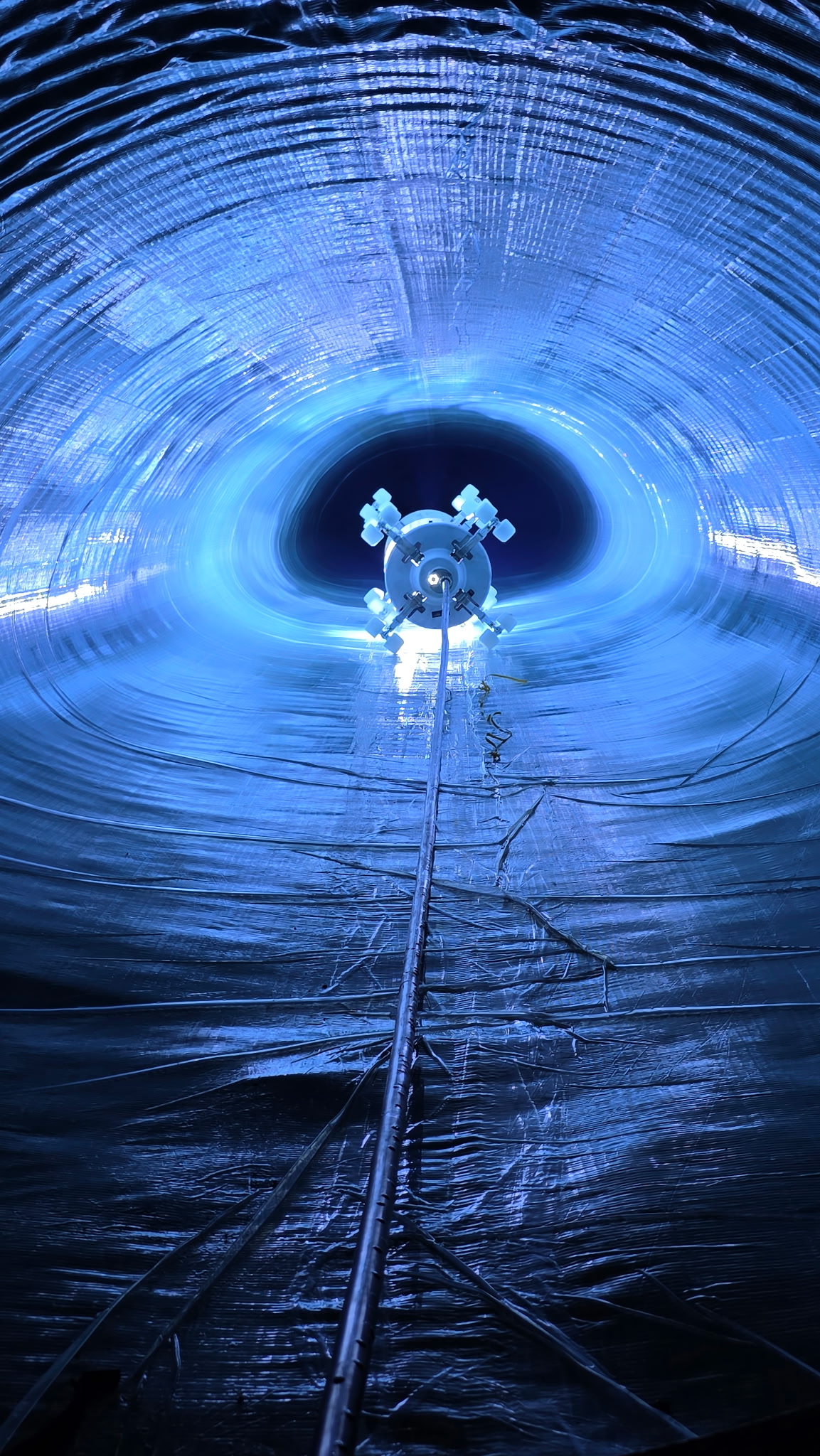
Cured-in-place pipe (CIPP) creates a new pipe within the existing host pipe. A resin-saturated liner is inserted into the pipeline, expanded against the host pipe wall, and cured using a specified method. Depending on the selected system and project requirements, curing may involve hot water, steam, or ultraviolet light.
The finished liner conforms closely to the host pipe’s interior. This characteristic can be beneficial in pipelines with diameter transitions, moderate bends, or irregularities that would make rigid-pipe insertion difficult. Because the liner is installed against the existing pipe wall, the reduction in internal diameter is generally limited to the liner’s engineered thickness.
CIPP pipe lining can be designed as a fully structural liner capable of resisting external groundwater, soil, and traffic loads without relying on the remaining strength of the host pipe. The required thickness is calculated using factors such as:
- Pipe diameter and ovality
- Installation depth
- Soil density and modulus
- Groundwater elevation
- Live and dead loads
- Resin and liner properties
- Host pipe condition
- Design life and safety factors
For gravity pipelines, design commonly considers external buckling, hydrostatic pressure, and long-term material behavior. Pressure applications require additional analysis of internal pressure, cyclic loading, surge conditions, and termination details.
How Slip Lining Works
Slip lining involves inserting a new, smaller carrier pipe into the existing pipeline. High-density polyethylene is frequently used, although the selected material depends on the application, operating environment, and project specifications.
The new pipe is assembled outside the host pipeline and then pulled or pushed through an access point. The annular space between the new pipe and the host pipe is typically grouted to provide support, transfer loads, and stabilize the installation. Connections, service laterals, and terminations must then be completed according to the system design.
This method has a long record of use and offers predictable factory-manufactured material properties. Fusion-welded thermoplastic pipe can provide a continuous, corrosion-resistant system with relatively few joints. Slip lining may be well suited to pipelines that are reasonably straight, maintain a consistent diameter, and provide enough access for pipe assembly and insertion.
Its primary limitation is geometric. The inserted pipe must be smaller than the host pipe, resulting in a more noticeable reduction in cross-sectional area. Bends, offsets, deformations, and changes in diameter can also restrict installation.
CIPP vs Slip Lining for Large Pipes: Comparison Table
The following CIPP or slip lining comparison highlights the principal engineering and construction differences. Actual performance depends on project-specific design, materials, installation controls, and site conditions.
| Evaluation factor | CIPP | Slip lining |
|---|---|---|
| Installation concept | Resin-saturated liner is expanded and cured inside the host pipe | Smaller rigid or semi-rigid pipe is inserted into the host pipe |
| Diameter reduction | Usually limited to engineered liner thickness | Generally greater because insertion clearance and pipe wall thickness are required |
| Structural design | Can be designed as a fully structural liner | New pipe provides structural capacity, often with annular-space grouting |
| Host pipe geometry | Can accommodate some bends, offsets, and irregular profiles | Works best in relatively straight, consistent-diameter runs |
| Access requirements | Uses existing structures or excavated insertion points | Requires insertion and receiving access plus pipe assembly space |
| Lateral reinstatement | Typically completed internally with robotic equipment | May require excavation or specialized reconnection procedures |
| Primary constraints | Cure control, liner handling, flow management, and resin compatibility | Insertion clearance, bends, access, annular space, and grouting |
Structural Capacity and Host Pipe Condition
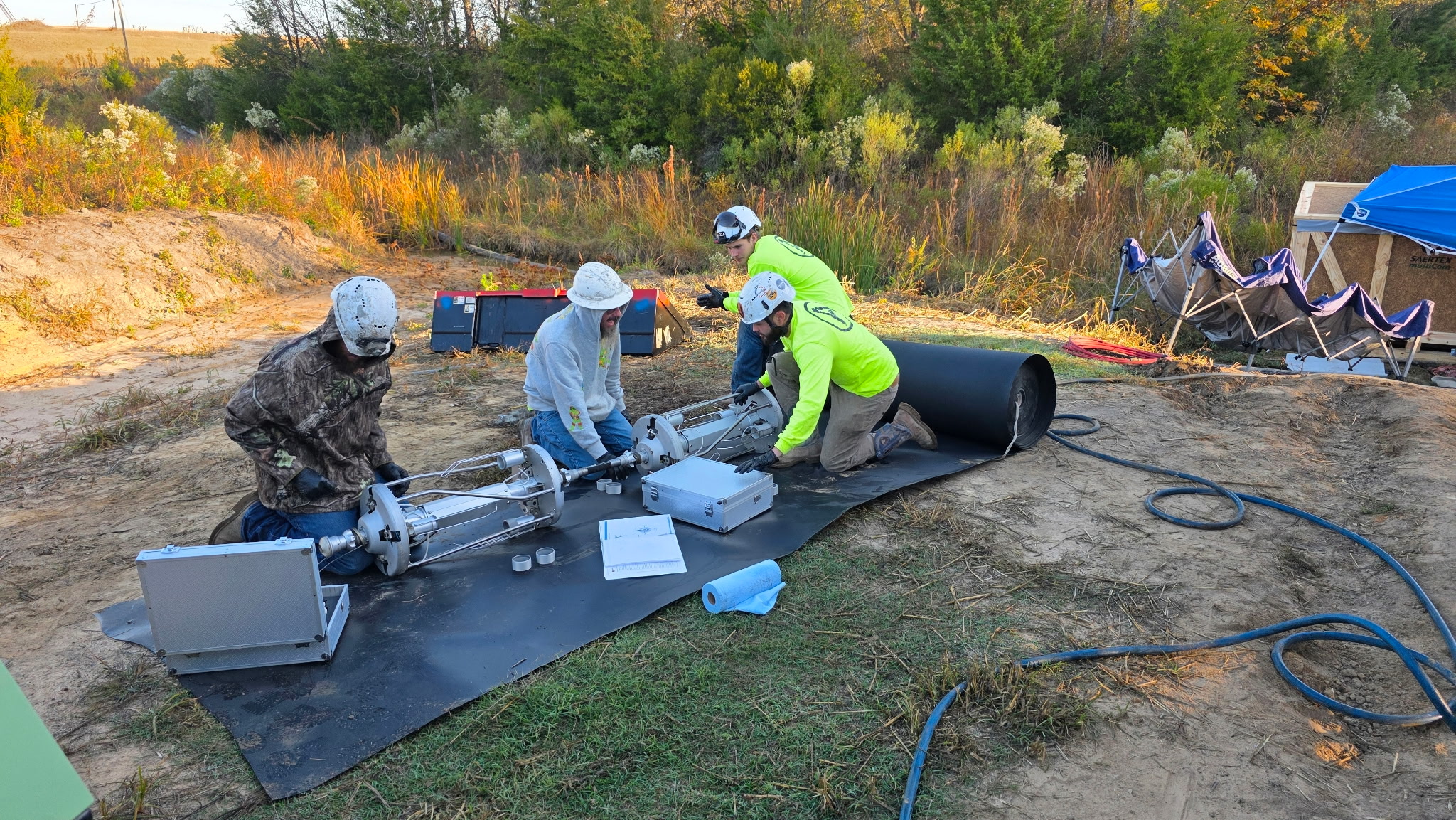
A condition assessment should precede large-diameter pipe rehabilitation. Video inspection can identify cracking, infiltration, corrosion, joint displacement, debris and visible deformation. For partially full pipelines, sonar may supplement visual inspection below the waterline. Laser profiling can provide data on ovality, alignment, and changes in internal geometry.
The assessment must determine whether the host pipe can withstand cleaning and installation. A severely deteriorated pipeline may contain missing sections, exposed reinforcement, or unstable material. Local repairs, void filling, or other stabilization measures may be necessary before either system can be installed.
For CIPP, designers must establish whether the host pipe is partially or fully deteriorated. This assumption directly affects liner thickness. Long-term flexural properties, enhancement factors, groundwater loading, and ovality should be supported by the applicable design method and manufacturer data.
With slip lining, the inserted pipe must resist operational and external loads under the specified installation configuration. The engineer must also design the grout placement carefully. Excessive grouting pressure can deform or float the carrier pipe, while incomplete grouting can leave unsupported areas.
Hydraulic Capacity After Rehabilitation
Hydraulic performance is particularly important in municipal interceptors, storm drains and industrial process pipelines. A reduction in diameter can affect peak flow capacity, pump operation, upstream storage, and system resilience during wet-weather events.
Slip lining produces the greater dimensional reduction in most installations. Engineers should compare the new inside diameter with existing and projected flow requirements rather than relying on nominal pipe sizes.
CIPP also decreases internal diameter, but the reduction is often smaller. A smooth finished surface may improve the hydraulic coefficient relative to a corroded, scaled, or tuberculated host pipe. That potential improvement does not eliminate the need for calculations. Flow models should use defensible roughness values and account for connections, transitions, bends, and downstream restrictions.
The best trenchless lining method for municipal pipelines must satisfy hydraulic requirements under present and anticipated operating conditions. A lower installation price does not provide value if the rehabilitated pipeline creates a future capacity constraint.
Constructability, Access, and Flow Control
Construction planning can determine whether a technically feasible method is practical. Slip lining generally requires enough surface space to stage, fuse, and align the insertion pipe. The required work area may be difficult to obtain near highways, rail corridors, occupied facilities, or dense utility networks.
CIPP can reduce the need for a long surface staging area, although large-diameter liners require substantial handling equipment and controlled access. Wet-out logistics, liner weight, insertion forces, and curing equipment must be planned before mobilization.
Both pipe replacement methods may require bypass pumping or temporary flow diversion. The bypass system should account for peak flow, redundancy, discharge routing, and contingency capacity. Industrial projects may also require coordination around process shutdowns, wastewater characteristics, or restricted operating windows.
Access structures deserve equal attention. Existing manholes may need modification to accommodate installation equipment. Excavated pits may still be required where the alignment, pipe size, or termination design prevents installation through existing structures. Trenchless pipe repair reduces excavation, but it rarely eliminates every surface activity.
Materials, Chemical Exposure, and Temperature
Material compatibility is critical in industrial and municipal environments. Waste streams may contain hydrocarbons, solvents, acids, alkalis, abrasive solids, or elevated temperatures. Engineers should evaluate how the resin system, thermoplastic pipe, and any grout will perform under continuous and intermittent exposure.
For CIPP, resin selection must match the service environment. The liner’s structural properties depend on the composite system, including resin, reinforcement, and curing process. Product qualifications should be tied to the actual materials proposed for the project.
For slip lining, chemical resistance and temperature limits depend on the carrier-pipe material and grade. Thermal expansion, contraction, long-term pressure rating, and environmental stress cracking may require consideration. Get to know and understand material and request documentation to back it up. Rely on those details rather than just general product descriptions.
Standards, Submittals, and Quality Assurance
A defensible trenchless pipe rehabilitation project should identify applicable ASTM standards, local specifications, owner requirements, and testing procedures during design. Standards vary by material, installation method, and pipeline application, so make those decisions according to the specific system rather than generic application.
CIPP quality-control documentation may include:
- Resin batch and liner information
- Wet-out records
- Installation pressure data
- Cure logs or UV light-train records
- Finished liner thickness measurements
- Flexural testing of representative samples
- Pre- and post-installation inspection video
- Lateral reinstatement records
Slip-lining documentation may include material certifications, fusion logs, operator qualifications, pull-force records, grouting procedures, pressure testing, and post-installation inspection.
Procurement documents must define the required structural design, material properties, testing frequency, defect evaluation procedures, and deliverables. Clear requirements allow contractors to price the same scope and reduce disputes after installation.
Evaluating Cost and Project Risk
The price of any provisional bid is just one component of life-cycle costs. Decision-makers should also evaluate bypass operations, excavation, traffic control, access restoration, inspection, testing, and the operational impact of shutdowns.
Slip lining may offer favorable material predictability and installation economics when the pipeline is straight, accessible, and hydraulically oversized. CIPP may reduce excavation and preserve more internal area, but quality depends on disciplined engineering, material handling, and process control.
Risk allocation should be explicit. A technically complete specification is often more valuable than selecting a method based on the lowest initial estimate.
Selecting the Right Rehabilitation Strategy
For CIPP vs slip lining for large pipes, the correct decision depends on structural loading, hydraulic capacity, alignment, access, operating environment, and acceptable construction risk. It is important to understand both the site conditions and host pipeline before making a decision.
At Advanced Pipe Repair, we use inspection findings and project requirements to help commercial, municipal, and industrial clients evaluate trenchless pipe lining options. The final decision should have support in detail from engineering criteria, applicable standards, and a realistic construction plan. Contact Advanced Pipe Repair to discuss your pipeline condition, project constraints, and rehabilitation objectives with our team.