
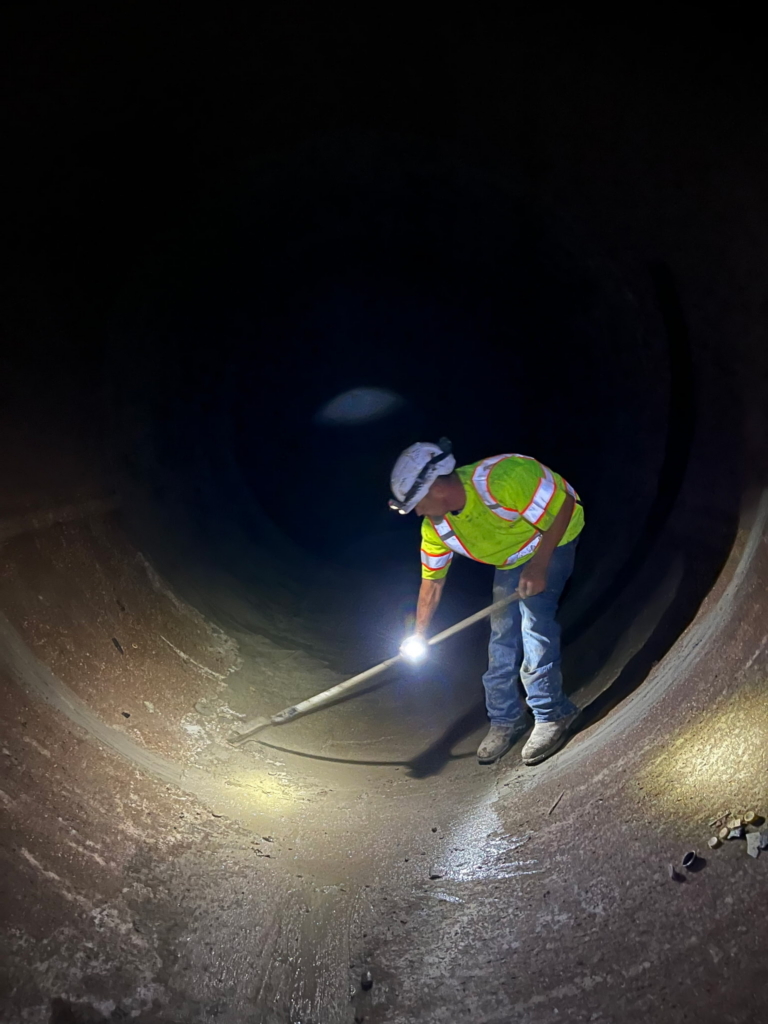
Trenchless sewer pipe rehabilitation is changing the game when it comes to aging infrastructure. Over time, sewer mains and stormwater systems face constant pressure from water flow, environmental conditions, shifting soils, chemical exposure, and decades of wear. Once these systems begin to deteriorate, the consequences can become severe, including sinkholes, flooding, infiltration, backups, environmental contamination, and costly emergency repairs.
This is one reason many municipalities and facility managers now prioritize proactive inspections and trenchless options before catastrophic failures occur. Large-diameter systems are critical infrastructure assets, and understanding what causes these pipelines to fail is essential for long-term maintenance planning.
Corrosion and Material Deterioration
Corrosion remains one of the most common causes of deterioration in large sewer and storm systems. The problem is especially severe in older concrete, steel, corrugated metal, and cast-in-place pipes exposed to aggressive environments for decades.
Sanitary sewer systems are particularly vulnerable because hydrogen sulfide gas can develop inside the pipe. When moisture and bacteria interact with hydrogen sulfide, sulfuric acid forms along the pipe walls. Over time, this acid attacks concrete and weakens the structural integrity of the pipeline.
Stormwater systems may also suffer from corrosion caused by:
- Road salts
- Industrial runoff
- Chemical exposure
- Constant moisture
- Abrasive sediment movement
As corrosion progresses, pipe walls begin thinning, cracking, or delaminating. Once structural strength is compromised, sections may collapse under external soil and traffic loads.
At Advanced Pipe Repair, we notice that many aging municipal systems experience severe deterioration that can often be addressed using advanced lining technologies rather than full excavation.
Infiltration and Inflow Problems
Infiltration and inflow are major issues in large-diameter sewer infrastructure. Although the two terms are often grouped together, they refer to different types of water intrusion.
Infiltration
Infiltration occurs when groundwater enters the pipe through:
- Cracks
- Failed joints
- Pipe separations
- Deteriorated manholes
- Structural defects
Inflow
Inflow refers to surface water entering the system through improper connections or damaged access points during rain events. When excessive water enters the system, treatment facilities become overloaded. Increased flow velocity can also accelerate erosion and internal pipe wear.
Over time, continuous infiltration may wash away surrounding soils, leading to voids around the pipeline. This loss of support significantly increases the risk of settlement or collapse. Large interceptor sewers are especially vulnerable because of their age, size, and depth below grade.
Soil Movement and Ground Settlement
Large underground pipelines are heavily influenced by surrounding soil conditions. Even a structurally sound pipe can fail when external support conditions change.
Common causes of soil movement include:
- Freeze-thaw cycles
- Expansive clay soils
- Groundwater fluctuations
- Heavy traffic loads
- Nearby construction vibration
- Poor compaction during original installation
As soil shifts, pipelines can deform, separate at joints, or develop longitudinal cracks. In severe situations, sections may sag or create offsets that disrupt hydraulic flow. Stormwater systems often face additional challenges because high-volume rain events can rapidly erode supporting soils around aging pipes.
In older infrastructure systems, decades of gradual settlement can eventually create alignment problems that reduce pipe capacity and increase debris accumulation.
Joint Failures in Aging Infrastructure
Many older large-diameter systems were originally installed using segmented pipe materials with mechanical joints. Over time, these joints often become weak points within the system.
Joint failures commonly develop because of:
- Aging gaskets
- Corrosion
- Ground movement
- Root intrusion
- Expansion and contraction cycles
Once joints separate, groundwater infiltration typically follows. Debris can also enter the system and create partial obstructions.
In sanitary sewer systems, separated joints may allow sewage exfiltration into surrounding soils, creating environmental and regulatory concerns.
Joint failure is particularly common in older reinforced concrete pipe systems and corrugated metal storm drains that have experienced decades of movement and wear.
Root Intrusion and Vegetation Growth
Tree root intrusion remains one of the most persistent causes of sewer deterioration. Roots naturally seek moisture and often penetrate pipelines through small cracks or compromised joints.
Once roots enter the pipe, they continue expanding over time.
This can lead to:
- Flow restrictions
- Debris accumulation
- Structural cracking
- Joint displacement
- Accelerated corrosion
Large-diameter systems are not immune to root intrusion simply because of their size. In fact, aging interceptor lines running beneath landscaped areas or urban corridors often experience extensive root penetration.
As roots continue expanding, they can create significant structural stress on already weakened pipe walls.
Debris Accumulation and Sediment Abrasion
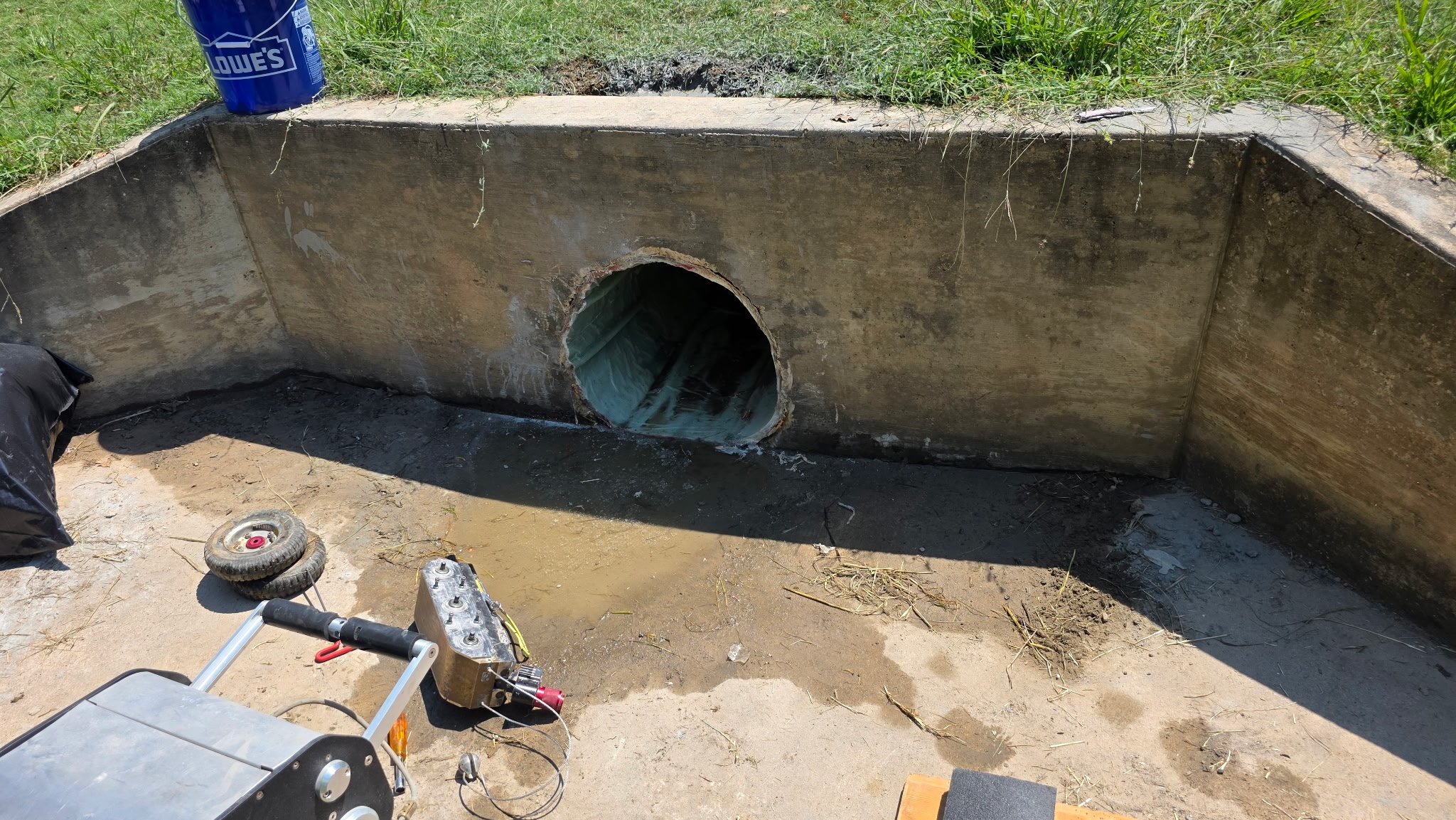
Stormwater systems regularly transport abrasive materials such as:
- Sand
- Gravel
- Silt
- Organic debris
- Trash
- Construction runoff
Over many years, these materials gradually wear down pipe interiors. High-velocity flow conditions can intensify abrasion and accelerate material loss along the invert of the pipe.
Sediment accumulation also creates operational problems. When debris settles in low-flow sections, water velocity decreases further, increasing the likelihood of blockages and additional buildup.
Large storm systems with poor maintenance access are especially vulnerable to long-term sediment accumulation that eventually contributes to structural deterioration.
Hydraulic Overloading
Many large sewer and storm systems currently operating were designed decades ago for significantly lower population densities and runoff volumes.
Urban expansion has dramatically increased the amount of stormwater entering municipal infrastructure systems.
Modern contributing factors include:
- Expanded pavement coverage
- Increased development density
- Larger industrial facilities
- Aging combined sewer systems
- More frequent severe storm events
When pipelines consistently operate beyond intended hydraulic capacity, excessive internal pressure and turbulence can develop.
This can contribute to:
- Accelerated pipe wall wear
- Joint displacement
- Scouring
- Structural fatigue
- Increased surcharge events
Hydraulic overloading is often one of the hidden causes behind recurring infrastructure failures in rapidly growing urban environments.
Structural Fatigue Over Decades of Service
Even properly installed infrastructure eventually reaches the limits of its design life.
Many large-diameter sewer and storm pipes currently in operation are more than 50 years old. Some systems exceed 75 years of continuous service.
Over decades, pipelines experience repeated loading from:
- Vehicle traffic
- Groundwater pressure
- Thermal movement
- Internal flow forces
- Soil settlement
- Vibration
This repeated stress gradually weakens structural components.
Concrete begins cracking. Metal corrodes. Protective coatings deteriorate. Reinforcement may become exposed. Eventually, the pipe loses enough strength that failure becomes increasingly likely.
This long-term fatigue is one reason many municipalities now prioritize proactive rehabilitation instead of waiting for emergency collapses.
Environmental and Public Safety Concerns
Failures in large sewer and storm systems create more than operational problems. They can also create serious environmental and public safety risks.
When sanitary sewer lines fail, untreated wastewater may enter surrounding soil, waterways, or nearby properties. Stormwater infrastructure collapses can contribute to roadway flooding, erosion, and unsafe driving conditions during major rain events.
Additional concerns may include:
- Groundwater contamination
- Traffic disruptions
- Property damage
- Regulatory violations
- Emergency response costs
- Utility service interruptions
In dense urban areas, a single pipeline collapse can affect businesses, transportation corridors, and nearby utilities simultaneously.
Because of these risks, many municipalities now prioritize rehabilitation projects before visible surface failures occur. Early intervention often helps reduce long-term costs while improving infrastructure reliability and public safety.
Why Inspection Technology Matters
Early detection plays a major role in preventing catastrophic failures.
Advanced inspection technologies now allow contractors to evaluate large systems with far greater precision than traditional methods. According to information published by Advanced Pipe Repair, robotic inspection systems can evaluate pipelines up to 120 inches in diameter while providing detailed internal assessments of structural conditions.
Modern inspections may identify:
- Pipe deformation
- Corrosion loss
- Cracking
- Joint separation
- Infiltration points
- Voids
- Sediment accumulation
- Root intrusion
These evaluations help municipalities and facility owners prioritize repairs before conditions worsen.
For systems requiring rehabilitation, technologies such as large-diameter CIPP lining can restore structural integrity while minimizing excavation and disruption. Advanced Pipe Repair notes that modern rehabilitation methods can address pipelines exceeding 120 inches in diameter in many applications.
How Trenchless Sewer Pipe Rehabilitation Helps Address Failure Risks
Modern infrastructure owners increasingly rely on trenchless sewer pipe rehabilitation because traditional excavation can become extremely disruptive and expensive for large systems.
Excavating deep municipal interceptors or major storm drains may involve:
- Road closures
- Traffic disruption
- Utility conflicts
- Environmental concerns
- Extensive restoration work
- Long project timelines
CIPP lining and related rehabilitation technologies create a structural pipe within the existing system while reducing surface disruption. According to Advanced Pipe Repair, CIPP creates a seamless, jointless liner that can help stop infiltration, improve structural integrity, and extend pipeline life for decades.
In many municipal applications, large-diameter trenchless pipe repair provides a more efficient alternative to full replacement, particularly when pipelines are located beneath roads, buildings, rail corridors, or developed urban areas.
Modern rehabilitation technology has also expanded significantly in scale. Contractors performing trenchless repair 120-inch pipe projects now use advanced robotics, engineered liners, and specialized curing methods to rehabilitate some of the largest underground infrastructure systems in operation today.
Final Thoughts
Large sewer and stormwater infrastructure systems face continuous stress from corrosion, soil movement, infiltration, hydraulic overloading, root intrusion, and decades of structural fatigue. Left unaddressed, these issues can eventually lead to catastrophic failures that disrupt communities and require costly emergency repairs.
Fortunately, inspection technology and trenchless sewer pipe rehabilitation methods continue advancing rapidly. With proactive condition assessments and modern rehabilitation solutions, municipalities and industrial operators can extend the service life of aging infrastructure while minimizing disruption, excavation, and long-term repair costs.
At Advanced Pipe Repair, we help municipalities, engineers, and industrial facilities evaluate aging infrastructure and implement rehabilitation solutions designed for complex large-diameter systems. Contact Advanced Pipe Repair to learn more about inspection, rehabilitation, and long-term solutions for complex sewer and storm pipe systems.