large-diameter pipe lining materials
A storm drain beneath a roadway and an industrial effluent line may have the same diameter and require different rehabilitation systems. The storm drain may need a liner designed for groundwater and traffic loads. The effluent line may need to retain chemical resistance through repeated temperature changes. At Advanced Pipe Repair, we evaluate large-diameter pipe lining materials against the loads, exposure, and installation constraints of each asset before recommending a system.
Establish What the Liner Must Do
The first design question is how much structural capacity the host pipe can provide over the intended service life. A protective coating may be suitable where the pipe can still carry the design loads and the objective is to slow corrosion. Where deterioration has reduced load capacity, the engineer should define what the liner must carry and whether the design can credit the host pipe or surrounding support.
We use large-diameter pipe inspection to document conditions such as joint offsets, deformation, missing wall sections, and infiltration. Footage helps locate defects. Wall thickness measurements, dimensional surveys, and site records may be needed to establish whether the pipe can support the loads assumed in design.
For buried gravity assets, document the design groundwater elevation, depth of cover, and applicable live loads. Groundwater can impose external pressure when a pipe is empty, a condition that may govern buckling design. For pressure lines, establish operating pressure, surge, and any vacuum conditions separately. A system designed for gravity service requires separate qualification for pressure duty.
Comparing Large-Diameter Pipe Lining Materials
The same application method can produce systems with different capabilities. For example, a sprayed polymer may serve as a chemical barrier, while an engineered spray-applied mortar may contribute structural capacity. Evaluate the proposed system at its specified thickness and under the actual service conditions.
| System | Where we may evaluate it | What to verify |
|---|---|---|
| Cured-in-place pipe (CIPP) | Gravity sewers, storm drains, and other conduits with suitable access for liner installation | Resin compatibility, long-term mechanical properties, liner fit, and cure method |
| Spray-applied cementitious lining | Culverts and storm drains where an engineered mortar lining can restore the interior profile or provide structural capacity | Substrate preparation, design thickness, groundwater control, and strength development |
| Spray-applied polymer coating | Pipes with a suitable substrate that need a barrier against corrosion or chemical exposure | Chemical resistance, adhesion, moisture limits, and coating continuity at joints and terminations |
Ask the supplier to identify the exact formulation proposed for the project. That gives the design team a basis for comparing product data with the specified performance and installation requirements.
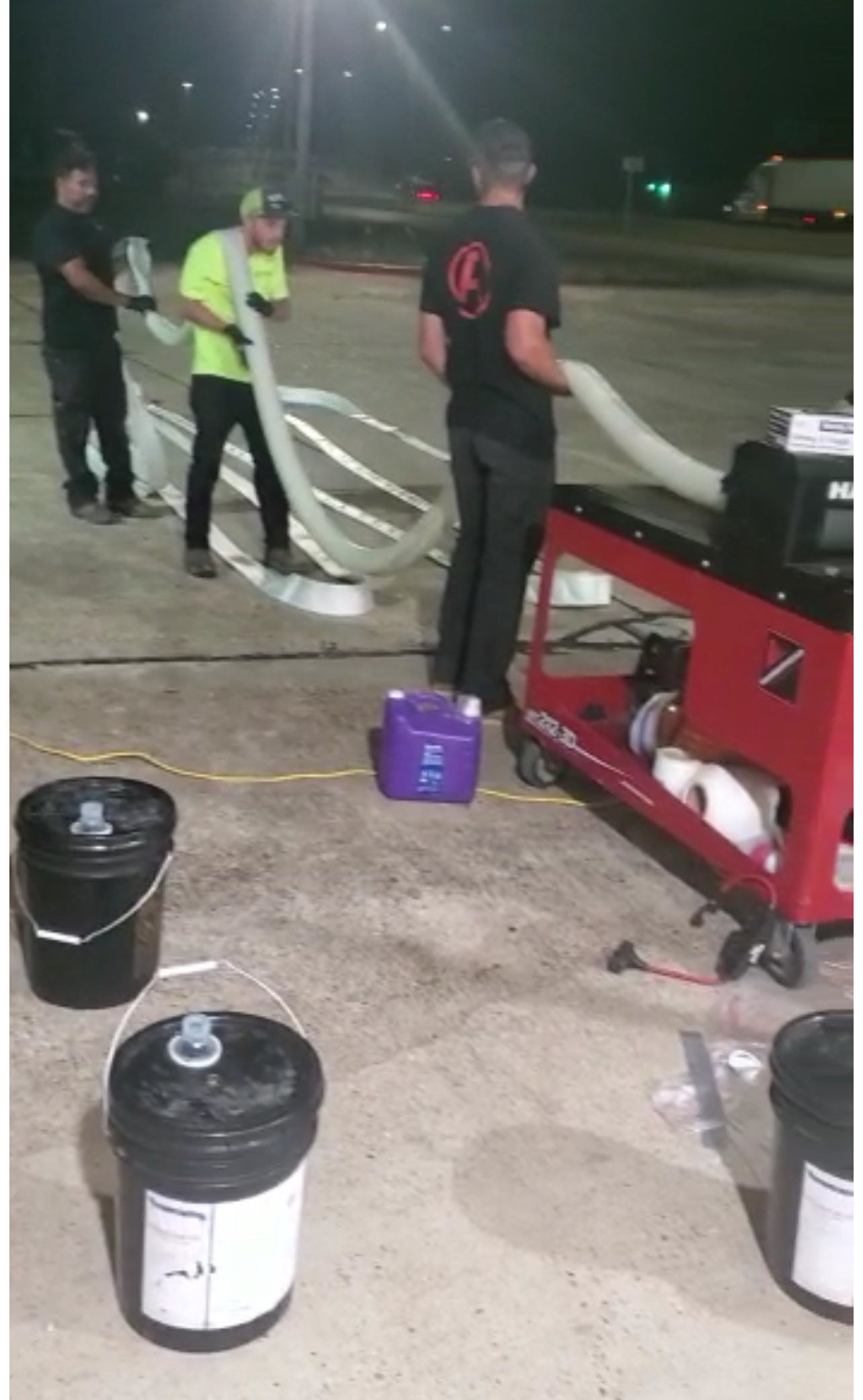
For CIPP, thermal and ultraviolet curing have different equipment and access requirements. We assess available entry points, laydown space, and the ability to move and position the liner. For spray-applied work, our large-diameter capabilities include applications up to 120 inches, subject to pipe condition, geometry, and access.
Check the Actual Exposure and Flow Requirements
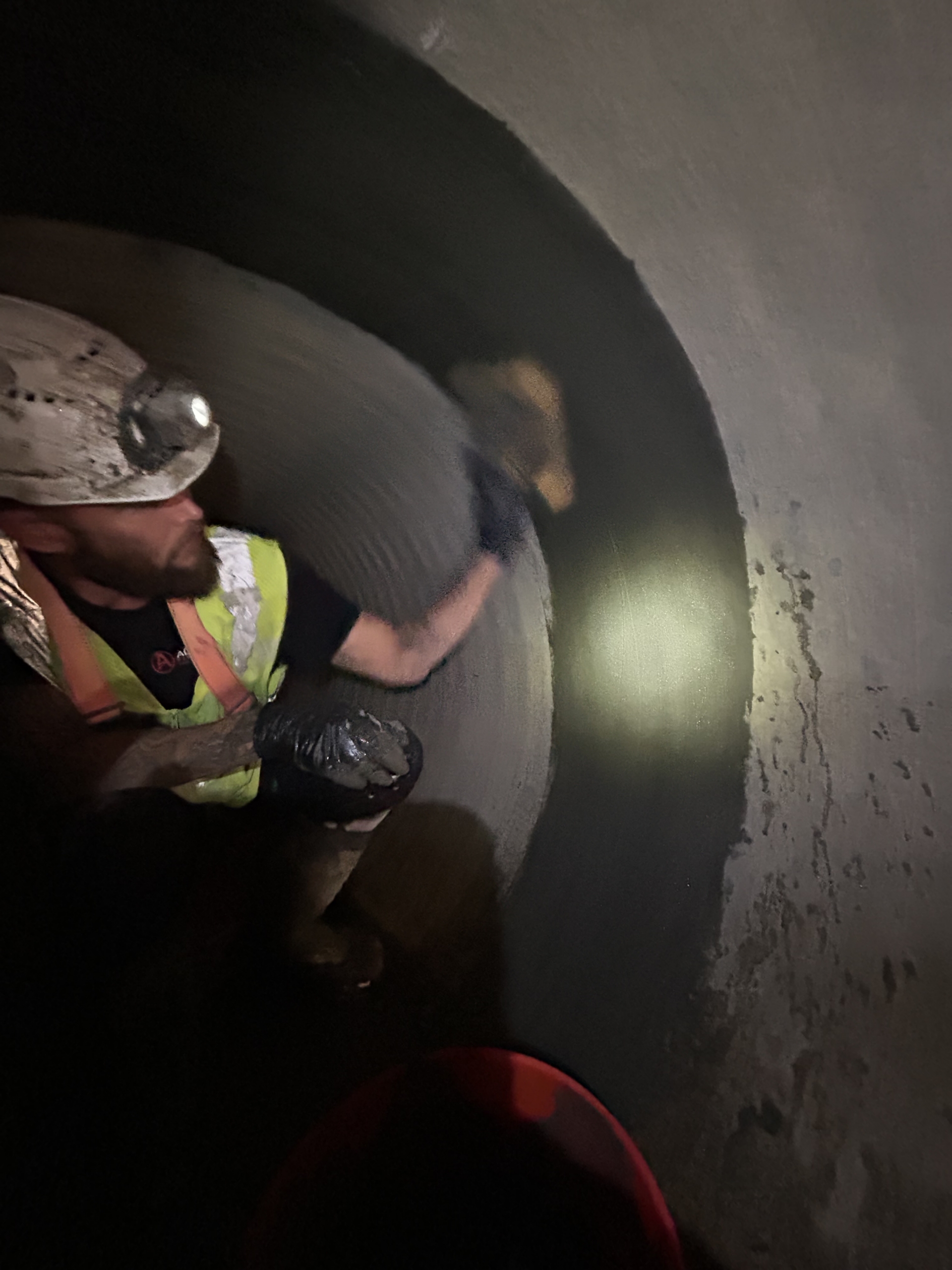
In sanitary sewers, microbial activity can produce sulfuric acid above the flow line. The crown may therefore face a different exposure than the invert. In industrial piping, review normal process chemistry and intermittent discharges from washdowns, batch changes, or upsets. Give suppliers the expected concentrations, temperatures, and contact durations so they can evaluate the proposed formulation.
Stormwater systems may carry sand, gravel, or debris that abrades the invert. Where abrasion is a concern, ask for test data relevant to the exposure and consider how much liner thickness must remain to meet design requirements.
Verify the finished hydraulic section before accepting a proposed thickness. A smoother surface can reduce friction, but thicker linings reduce the available opening. For a culvert, check whether inlet control, outlet control, or allowable headwater governs performance. For a sewer, evaluate capacity at the design flow using the finished geometry. Include transitions, connections, and any local restrictions that could affect performance.
Confirm Fit at Changes in Geometry
A nominal diameter can conceal changes that affect material selection and installation. Measure the actual opening at transitions, bends, and deformed sections. An offset joint may restrict liner insertion, while a change from a round pipe to a box section can affect how a system distributes loads. Document where laterals enter and how they will be reopened or sealed. At each termination, review how the liner will meet the existing structure and how that detail will withstand the expected flow and exposure. Include those details in the scope so bidders can account for the same work in advance.
Tie Installation and Acceptance to the Design
A technically suitable system still needs a workable installation window. Municipal owners may need a bypass sized for expected flows and a contingency for wet weather. Industrial operators may need to isolate the line during a scheduled outage and coordinate restart around cure and testing requirements. Confirm these constraints early, especially when access is limited or several assets share one flow path.
We recommend defining acceptance criteria in the project documents before the material submittal. The checks depend on the system.
- CIPP: Cure records, installed thickness measurements, and representative samples for specified mechanical testing.
- Cementitious lining: Thickness checks, strength testing, and documentation of placement and curing.
- Polymer coatings: Dry film thickness, adhesion testing where specified, and holiday testing where the coating system and substrate permit it.
- All systems: Post-installation inspection of terminations, connections, and transitions against the project requirements.
For coatings that rely on adhesion, specify how the prepared surface will be evaluated before application. If the substrate is variable, a trial application can help establish whether the proposed preparation method achieves the required bond under representative field conditions.
Assign responsibility for resolving discrepancies before installation. If cleaning reveals more wall loss than the design assumed, the engineer may need to reassess the liner before work proceeds. Agree on who reviews field changes and what records the owner will receive at turnover.
Material Selection for Your Rehabilitation Project
Selecting large-diameter pipe lining materials starts with a defined repair objective and reliable information about the asset. At Advanced Pipe Repair, we work with municipal engineers, utility managers, and industrial facility teams to evaluate which systems can meet the design requirements within the available access and outage window. Contact us to discuss your project.