
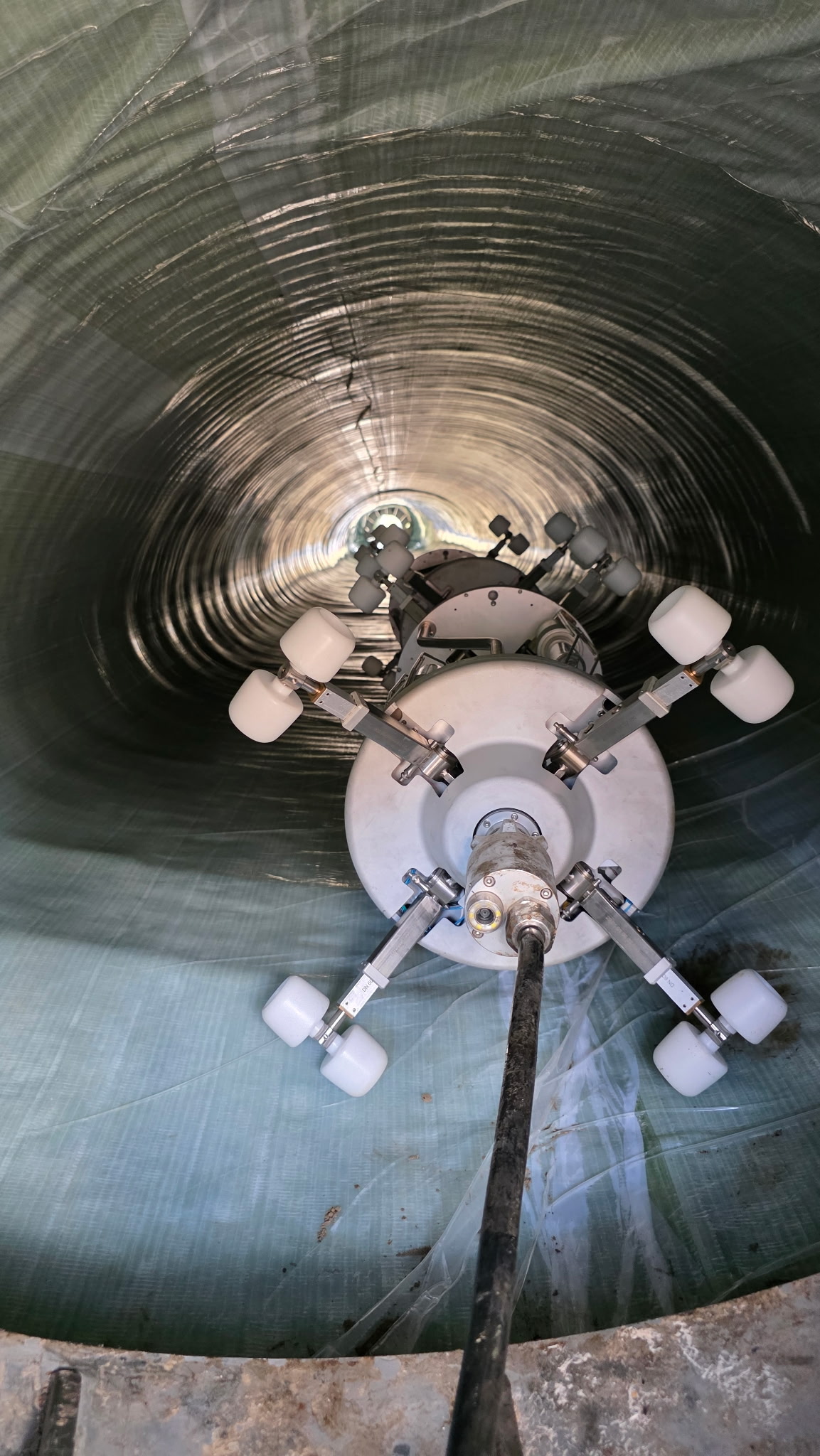
pre-rehabilitation pipe inspection
Trenchless rehabilitation can reduce excavation, but selecting the right approach requires more than identifying a damaged pipe. Municipalities, utilities, engineers, and facility managers need reliable information about existing conditions, operating demands, and installation constraints before approving a repair.
At Advanced Pipe Repair, we use pre-rehabilitation pipe inspection to help establish that foundation. Our goal is to support a reasonable scope based on documented conditions, with clear expectations for preparation, installation, and verification. For commercial facilities and industrial sites, that means evaluating the pipeline alongside the operational consequences of taking it out of service.
What Should Pre-Rehabilitation Pipe Inspection Establish?
The assessment should answer three questions:
- What is wrong with the pipeline?
- Is the proposed method appropriate?
- What conditions could affect execution?
We recommend defining the investigation’s objectives before scheduling fieldwork. A recurring blockage, suspected corrosion, and a proposed structural rehabilitation may require different information.
Requirements should reflect the owner’s specifications, applicable standards, selected repair method, and engineering needs. There is no universal inspection checklist that establishes suitability for every pipeline.
A useful assessment should distinguish confirmed findings from assumptions. If an area cannot be inspected, the record should identify that limitation rather than imply that the entire segment has been evaluated.
Review Existing Records and Operating History
Before field inspection, we recommend gathering available drawings, previous inspection footage, maintenance records, and repair documentation. These materials help identify locations requiring closer attention.
Useful background information includes:
- Pipe material, nominal diameter, and approximate age
- Reported leaks, backups, and recurring obstructions
- Previous lining, coatings, or localized repairs
- Known access points and service connections
- Normal operating conditions and shutdown restrictions
Records should guide the investigation, not replace field verification. Older drawings may omit modifications or show dimensions that differ from actual conditions.
We also encourage discussions with operators and maintenance personnel. Their observations can help identify when problems occur, which areas are affected, and whether temporary measures have changed system behavior.
Confirm Access and Inspection Conditions
An inspection plan should establish how equipment will enter the pipe and whether the proposed route can be covered adequately.
We evaluate available access alongside practical site restrictions. Equipment placement, occupied spaces, vehicle movement, and coordination with facility operations can influence the work plan.
Our video pipe inspection services provide internal footage and documented findings to support repair planning. However, an inspection’s usefulness depends on visibility and coverage.
Standing water, deposits, obstructions, or inaccessible sections may limit what can be observed. The project team should identify whether cleaning, flow management, another inspection approach, or additional access is needed before drawing conclusions.
Plan Cleaning Around the Pipe’s Condition
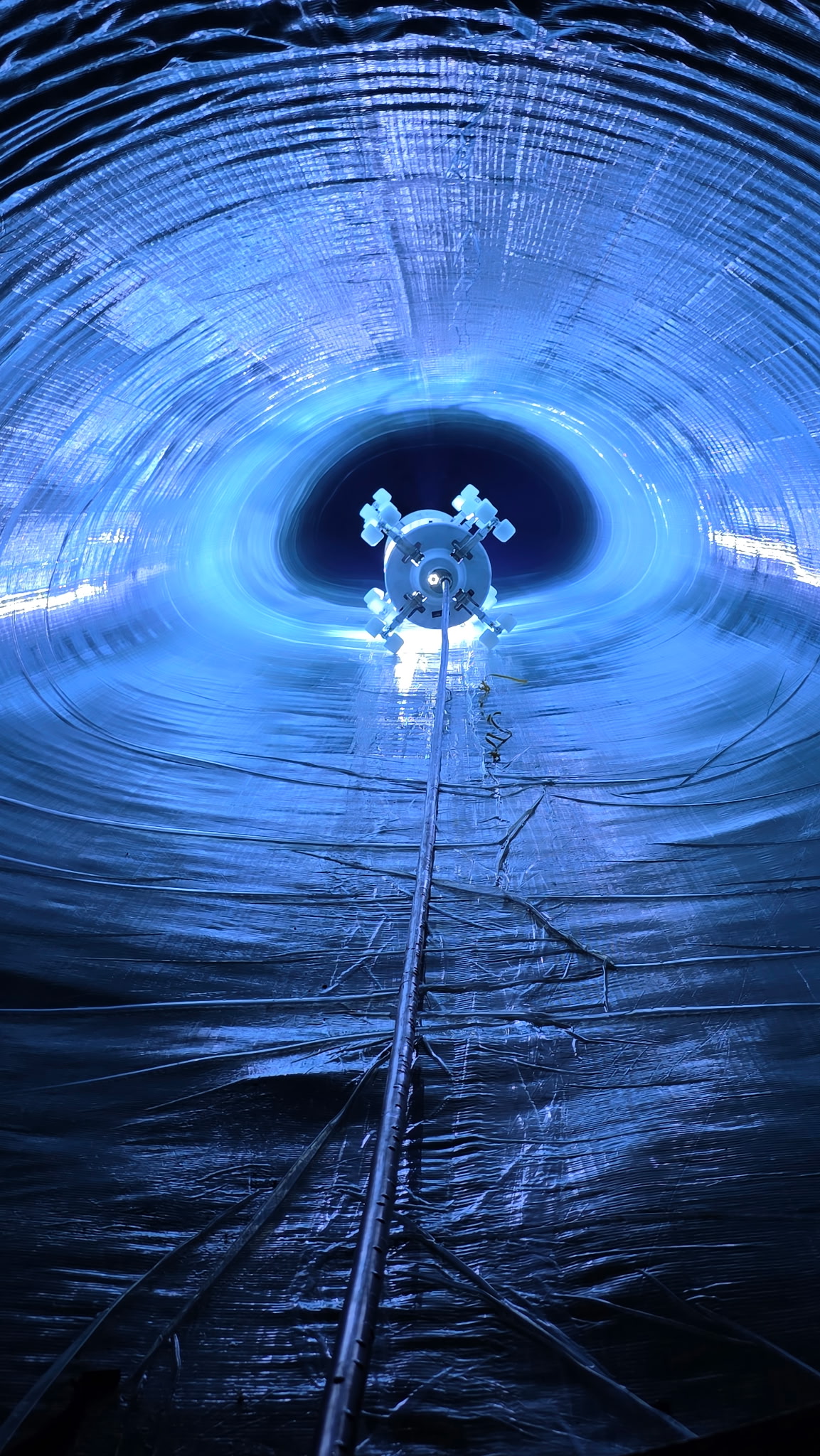
Cleaning can be necessary to expose surfaces hidden by sediment, roots, grease, or deposits. However, preparation should account for the condition of the existing pipe. Aggressive cleaning of severely deteriorated sections can introduce additional risk.
We recommend reviewing known concerns before selecting the cleaning approach. The scope should clarify debris handling, operational restrictions, and how unexpected damage will be addressed. Where initial footage is obscured, post-cleaning inspection may be needed to confirm conditions before finalizing rehabilitation decisions.
Owners should avoid treating “clean and inspect” as an undefined task. Establish what level of preparation is needed, who reviews the resulting footage, and what findings require additional evaluation.
Document Defects and Connections Consistently
Organize inspection footage so that reviewers can connect each finding to a specific pipeline segment and location.
We recommend records that identify:
- Segment identification and inspection direction
- Distance references and inspected length
- Visible cracks, corrosion, deformation, or displaced joints
- Obstructions and observed infiltration
- Connections, transitions, and previous repairs
- Uninspected areas and visibility limitations
Where specified, standardized condition coding can support consistent reporting. NASSCO’s Pipeline Assessment Certification Program provides a framework for documenting pipeline conditions. Just be aware that it does not replace project-specific engineering judgment.
Connection records deserve particular attention. The project team needs to know which services must remain operational and how their locations will be verified during rehabilitation.
Recognize What Camera Footage Cannot Establish
A clear internal view is valuable, but it is not a complete engineering assessment. Visual inspection alone does not establish every design input or confirm conditions outside the pipe.
Depending on the project, the engineer may require additional information about dimensions, loading, groundwater, operating pressure, temperature, chemical exposure, or hydraulic performance. The following examples illustrate what may warrant further evaluation:
| Additional Consideration | What May Be Evaluated | Why It Matters |
|---|---|---|
| Pipe dimensions and geometry | Verified diameter, deformation, and changes in cross section | Helps establish installation feasibility and appropriate liner dimensions |
| External loading | Burial depth, soil conditions, and vehicle or equipment loads | Informs structural design requirements |
| Groundwater conditions | Groundwater levels and potential external water pressure | Helps evaluate loads acting on the rehabilitated pipe |
| Operating pressure | Normal pressure and potential pressure fluctuations | Helps determine whether the proposed system meets service demands |
| Temperature and chemical exposure | Process temperatures and substances carried by the pipeline | Supports material compatibility assessment |
| Hydraulic performance | Existing and projected flows, restrictions, and finished internal diameter | Helps determine whether the repaired pipeline can provide required capacity |
We recommend working closely with us to help identify any potential challenges before committing to a rehabilitation method. The project engineer should determine which evaluations apply, how the information will be obtained, and who is responsible for confirming it.
Evaluate Suitability and Operational Risk Together
A repair method must fit both the pipeline condition and the operating environment. Our trenchless project planning guidance addresses structural demands, hydraulic performance, access, and service continuity as related considerations.
We recommend reviewing shutdown windows, flow-control responsibilities, critical users, and contingency arrangements before scheduling. Trenchless work can reduce surface disruption, but you should never assume that it will automatically correct an existing alignment or capacity problem.
If inspection reveals a condition outside the proposed method’s capabilities, the scope should allow reassessment. Additional investigation, localized preparation, or replacement may be more appropriate for that portion of the system.
Build a Defensible Repair Scope with Advanced Pipe Repair
Effective pre-rehabilitation pipe inspection supports informed decisions, realistic procurement, and clearer project responsibilities. It helps owners understand both the suitability of a proposed repair and the uncertainties requiring further attention.
At Advanced Pipe Repair, we help municipal, commercial, government, and industrial clients evaluate pipeline conditions before proceeding. Contact our team to discuss your inspection needs, operational constraints, and rehabilitation objectives.