
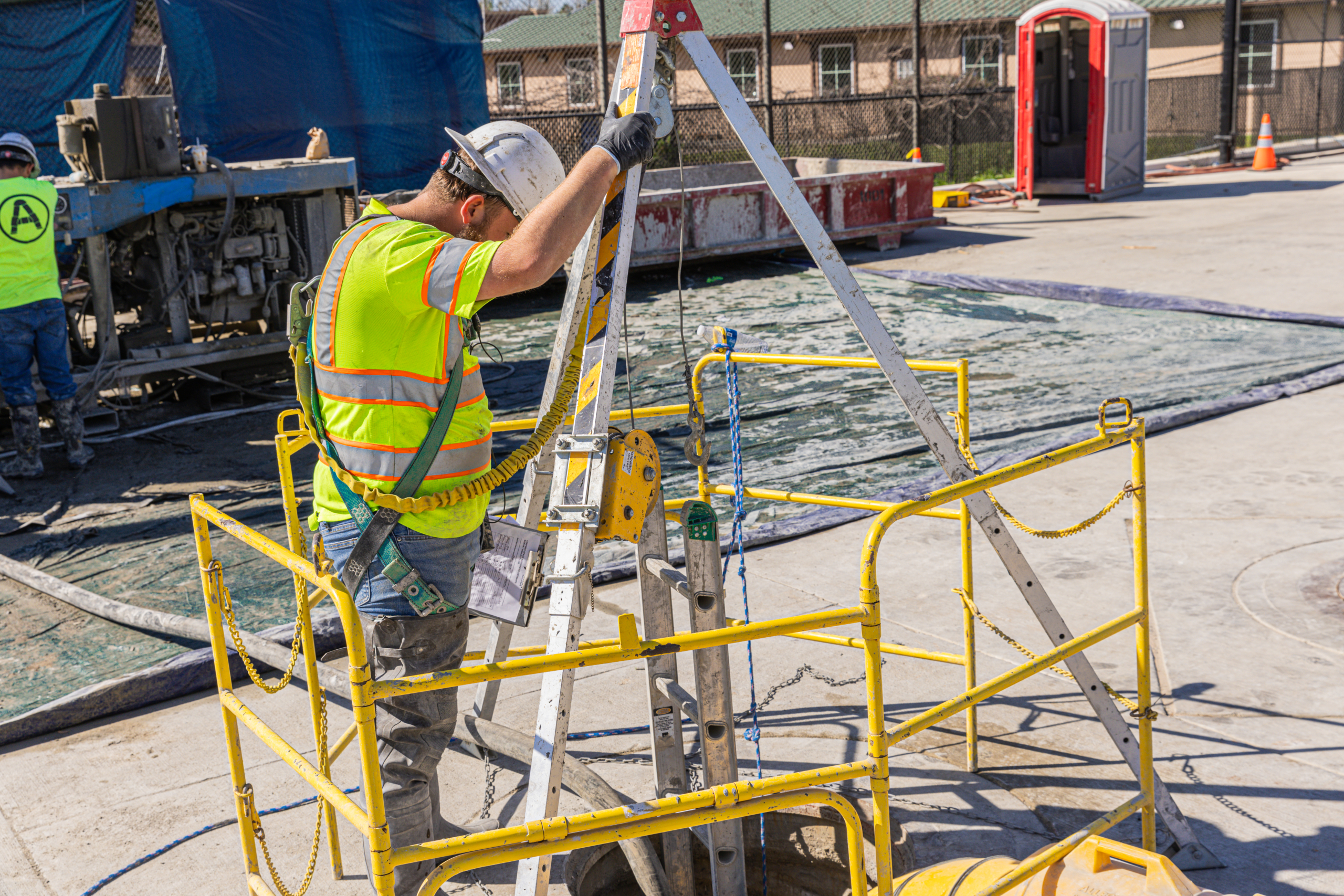
structural pipeline rehabilitation
Aging water and sewer infrastructure presents a growing challenge for municipalities, industrial facilities, and utility operators. Pipes installed decades ago are now facing corrosion, cracking, joint separation, and load-related failures that threaten system reliability. Structural pipeline rehabilitation has emerged as a practical way to address these issues without the disruption, cost, and risk associated with full excavation and replacement. By restoring strength from within the pipe, this approach allows critical systems to remain in service while extending their usable life.
Defining Structural Pipeline Rehabilitation
Structural rehabilitation goes beyond basic leak sealing or surface repairs. It refers to methods designed to restore or enhance the pipe’s ability to withstand external loads, internal pressure, and long-term operational stresses. In many cases, the rehabilitated pipe is engineered to meet or exceed the structural performance of the original installation.
Unlike non-structural liners or coatings that primarily address infiltration or minor defects, structural solutions are intended to handle soil loads, traffic loads, and other forces acting on the pipe. This makes them suitable for pipes that have experienced advanced deterioration but have not fully collapsed.
Techniques for Restoring Structural Integrity
Several trenchless methods are used to rehabilitate pipelines structurally, each selected based on pipe condition, diameter, material, and service requirements. These techniques are applied internally, allowing the existing pipe to act as a host while the new system provides renewed strength.
Common structural rehabilitation techniques include:
- Installing a new load-bearing liner inside the existing pipe
- Applying engineered materials that cure or harden in place
- Rebuilding the pipe wall to restore thickness and strength
These methods are designed to be precise and controlled, reducing the need for excavation while still addressing serious structural deficiencies.
Cementitious vs. CIPP Approaches
Two widely used structural rehabilitation methods are cementitious lining systems and cured-in-place pipe (CIPP). While both are trenchless, they serve different structural and operational needs.
Cementitious linings are typically used in larger-diameter pipes, pressure pipelines, and water systems. They involve applying a cement-based material to the interior of the pipe, which restores wall thickness and provides corrosion protection. Cementitious systems are often valued for their compatibility with potable water infrastructure and their ability to address long-term internal corrosion.
CIPP systems, on the other hand, involve installing a resin-saturated liner that is cured inside the host pipe to form a new, continuous structural pipe. CIPP is commonly used in gravity sewer systems and industrial pipelines where flexibility and adaptability to existing pipe geometry are critical. Once cured, the liner functions as a standalone pipe within the original structure.
Both approaches can be great solutions. Ultimately, selecting the right one depends on factors such as pipe size, operating conditions, structural requirements, and regulatory considerations.
Longevity, Warranty, and Testing Standards
A key advantage of structural rehabilitation is its long-term performance. A proper design and installation process of materials will help to ensure decades of additional service life. To support this expectation, structural rehabilitation projects meet industry standards, material testing protocols, and quality control procedures.
Longevity considerations often include:
- Material testing to verify strength and durability
- Installation controls to ensure proper curing or application
- Post-installation inspections and verification
Warranties vary depending on the method and project scope. Many structural rehabilitation systems come with the backing of long-term performance expectations. Installation according to specifications is critical for longevity. Testing standards help ensure that the pipe meets the necessary structural criteria before returning to service.
In addition to material performance, long-term success depends on proper design and documentation. Engineering calculations, installation records, and post-installation verification all play a role in demonstrating that the rehabilitated pipe meets required performance criteria. This level of oversight helps owners feel confident that the rehabilitation solution contributes to the sustainability of services rather than short-term correction.
Benefits for Public Works and Industrial Clients
Structural rehabilitation offers meaningful advantages for both public-sector and industrial infrastructure owners. For municipalities, it provides a way to address aging assets without widespread disruption to roads, neighborhoods, or businesses. For industrial facilities, it allows for restoration of critical pipelines while minimizing downtime and operational impact.
Key benefits include:
- Reduced excavation and surface restoration costs
- Shorter project timelines compared to replacement
- Lower risk to surrounding utilities and structures
- Extended service life of existing infrastructure
Because these methods work within the existing pipe, they are particularly valuable in congested or sensitive areas where traditional construction would be impractical.
Structural Pipeline Rehabilitation with Advanced Pipe Repair
As infrastructure continues to age, solutions that balance performance, cost, and disruption are becoming increasingly important. Structural pipeline rehabilitation provides a proven way to strengthen water and sewer systems from the inside, restoring load-bearing capacity and extending service life without the need for full replacement.
For organizations evaluating trenchless solutions, working with an experienced contractor matters. Advanced Pipe Repair specializes in structural rehabilitation methods designed for municipal and industrial applications, offering the technical expertise needed to assess conditions and apply the right solution for long-term performance. Contact us today.