
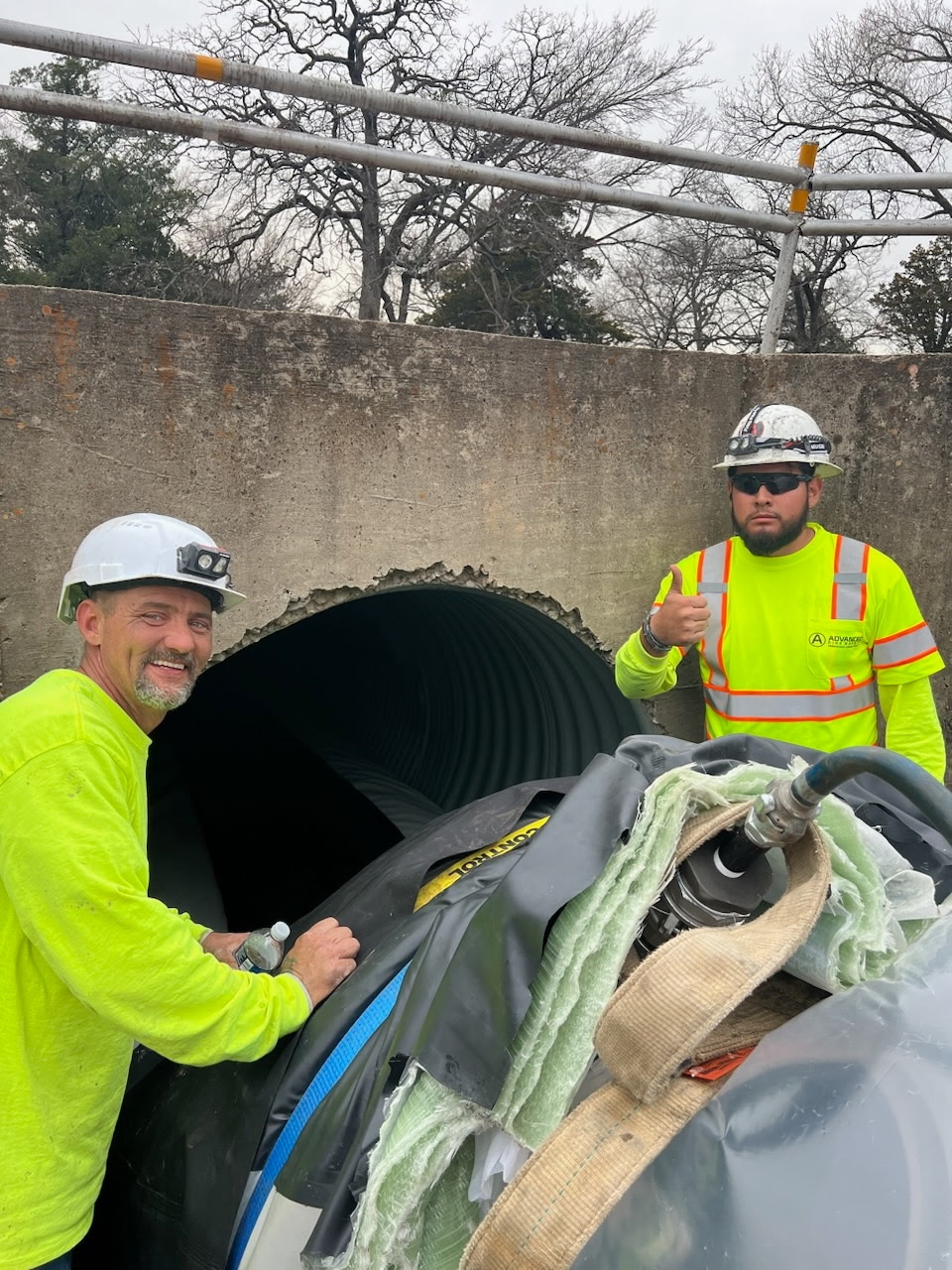
underground pipe rehabilitation solutions
Aging infrastructure is a growing concern for municipalities, industrial facilities, commercial properties, and utility operators. When large pipelines begin to deteriorate, many organizations assume excavation and replacement are the only options. However, modern underground pipe rehabilitation solutions provide a way to restore damaged pipelines with minimal disruption while extending their service life for decades.
One of the most common questions owners and facility managers ask is: How long do trenchless repairs actually last on large pipes? The answer depends on several factors, including the rehabilitation method used, the condition of the existing pipe, environmental conditions, and the quality of installation. In many cases, professionally designed trenchless systems can provide a service life measured in decades rather than years.
Why Longevity Matters for Large Pipe Infrastructure
Large-diameter pipelines play a critical role in moving wastewater, stormwater, industrial process fluids, and other materials. Failures can create costly operational disruptions, environmental concerns, and expensive emergency repairs.
Unlike smaller residential systems, large pipelines often run beneath roads, facilities, campuses, transportation corridors, and other developed areas. Traditional replacement may require significant excavation, traffic interruptions, and restoration costs.
Because of these challenges, asset owners increasingly look for rehabilitation methods that not only solve current problems but also deliver long-term performance. A repair that lasts several decades can significantly reduce lifecycle costs while minimizing future disruptions.
Common Large-Diameter Pipe Rehabilitation Methods
When evaluating large-diameter pipe rehabilitation methods, it is important to recognize that not every trenchless technology is appropriate for every system. The right solution depends on factors such as pipe material, structural condition, accessibility, corrosion levels, and long-term performance goals. Advanced Pipe Repair specializes in trenchless rehabilitation technologies that restore infrastructure while minimizing excavation and disruption.
Cured-in-Place Pipe (CIPP) Lining
One of the primary rehabilitation solutions offered by Advanced Pipe Repair is Cured-in-Place Pipe (CIPP) lining. This trenchless process creates a new pipe within the existing pipe by installing and curing a resin-saturated liner. Once cured, the liner forms a seamless, jointless structure that helps restore integrity, improve flow characteristics, and resist corrosion.
CIPP is commonly used for sanitary sewer systems, stormwater infrastructure, and other large-diameter pipelines where owners want to extend service life without the costs and disruption associated with full replacement.
Spray-in-Place Pipe Repair (SIPP)
Advanced Pipe Repair also provides Spray-in-Place Pipe Repair (SIPP), a trenchless rehabilitation solution designed to restore and protect aging infrastructure. Using specialized application equipment, high-performance materials are applied to the interior pipe surface to create a continuous protective lining.
SIPP can be particularly effective for large-diameter systems that have experienced corrosion, surface deterioration, or other forms of degradation. The seamless lining helps protect against future damage while extending the useful life of the existing asset.
Protective Coating and Rehabilitation Systems
In some situations, rehabilitation focuses on protecting infrastructure from ongoing corrosion and environmental exposure. Advanced Pipe Repair utilizes specialized lining and coating technologies that help restore deteriorated surfaces and create long-lasting protection within existing pipelines.
These rehabilitation systems are often used as part of broader industrial pipe rehabilitation projects where maintaining operational continuity and extending infrastructure life are key priorities.
Before recommending a solution, Advanced Pipe Repair evaluates the condition of the existing pipeline to determine the most appropriate rehabilitation strategy. This project-specific approach helps ensure that municipalities, utilities, and industrial facilities receive a repair solution designed for both current needs and long-term performance.
How Long Does CIPP Last?
CIPP has become one of the most trusted trenchless rehabilitation technologies because of its durability and proven performance.
When properly engineered and installed, CIPP systems are commonly expected to provide a service life of 50 years or more. The cured liner creates a corrosion-resistant interior surface while eliminating joints that can become vulnerable to infiltration or root intrusion.
For large-diameter applications, liners are designed to withstand external soil loads, groundwater pressure, and operational demands. Because the new pipe is formed within the existing structure, the system benefits from both the host pipe and the newly installed liner.
The longevity of a CIPP installation depends on:
- Proper inspection and design
- Thorough cleaning and preparation
- Appropriate liner selection
- Quality control during installation
- Environmental conditions
- Ongoing maintenance practices
When these elements are addressed correctly, CIPP can deliver decades of reliable service.
Underground Pipe Rehabilitation Solutions for Long-Term Performance
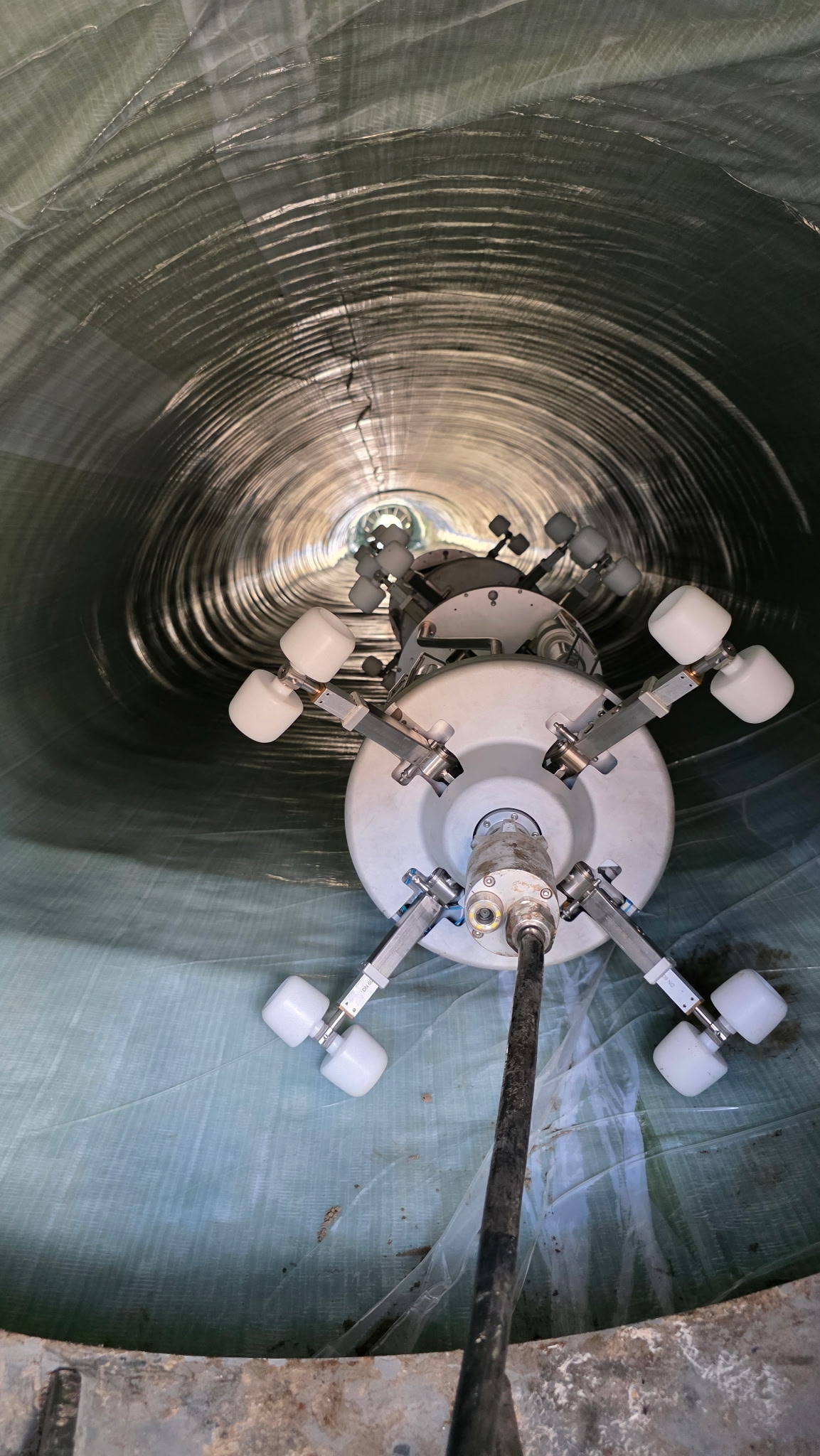
Not all trenchless technologies are designed for the same objectives. Some systems focus primarily on corrosion protection, while others provide full structural rehabilitation.
The most effective underground pipe rehabilitation solutions begin with a detailed assessment of the existing infrastructure. Advanced Pipe Repair utilizes inspection technologies and rehabilitation planning to evaluate pipe condition before recommending a repair strategy.
For large infrastructure systems, several design considerations influence longevity:
Structural Requirements
Pipelines experiencing significant deterioration may require a fully structural rehabilitation system capable of supporting external loads independently.
Environmental Exposure
Industrial facilities, wastewater systems, and stormwater networks may expose pipelines to corrosive environments that accelerate deterioration. Protective lining materials must be selected accordingly.
Hydraulic Performance
A rehabilitation system should preserve or improve flow capacity while maintaining long-term durability.
Accessibility
Pipelines located beneath developed areas often benefit most from trenchless solutions because they minimize surface disruption while delivering long-lasting results.
When these factors are properly evaluated, rehabilitation projects can significantly extend infrastructure life without the need for complete replacement.
What Affects the Lifespan of Trenchless Repairs?
While trenchless systems are known for durability, several variables influence how long a repaired pipe will continue performing effectively.
- Existing Pipe Condition: The host pipe serves as the foundation for many rehabilitation systems. Severe structural deterioration may require more robust rehabilitation approaches than pipes with moderate wear.
- Installation Quality: Even the best materials can underperform if installation standards are not followed. Proper preparation, cleaning, curing, and quality assurance procedures are critical for long-term success.
- Soil and Groundwater Conditions: External pressures and environmental factors can affect pipeline performance over time. Proper engineering helps ensure the rehabilitation system can withstand local conditions.
- Operational Demands: Industrial facilities and municipal systems often place significant demands on pipeline infrastructure. Repair systems must be designed to accommodate expected loading and flow requirements.
- Preventive Maintenance: Regular inspections can identify developing issues before they become major problems. Ongoing maintenance helps maximize the lifespan of rehabilitated infrastructure.
The Role of Industrial Pipe Rehabilitation
Industrial facilities often face unique challenges that differ from municipal sewer systems. Pipelines may transport process water, chemicals, wastewater, or other materials that accelerate corrosion and wear. In many cases, shutting down operations for extensive excavation is not practical.
This is where industrial pipe rehabilitation provides significant advantages. Trenchless technologies allow facilities to restore aging infrastructure while minimizing disruption to operations. By rehabilitating pipes from within, organizations can improve reliability, reduce downtime risks, and avoid many of the costs associated with full replacement projects.
For facilities managing extensive underground infrastructure, long-lasting rehabilitation solutions often become a key component of asset management strategies.
How Trenchless Sewer Pipe Rehabilitation Extends Infrastructure Life
Municipal wastewater systems throughout the country continue to face challenges associated with aging infrastructure. Many large-diameter sewer interceptors and collection systems have been in service for decades. Over time, corrosion, infiltration, cracking, and structural deterioration can compromise performance.
Trenchless sewer pipe rehabilitation offers a practical alternative to excavation-intensive replacement projects. Modern rehabilitation methods restore structural integrity, reduce infiltration, and protect against future deterioration while maintaining service continuity.
Because access can often be achieved through existing manholes and entry points, projects can be completed with significantly less disruption to surrounding communities.
For municipalities balancing budget constraints with infrastructure needs, extending the useful life of existing assets by several decades can represent substantial long-term savings.
When Is Rehabilitation Better Than Replacement?
Complete replacement is sometimes necessary, particularly when capacity requirements change or infrastructure has suffered catastrophic failure.
However, rehabilitation is often the preferred solution when:
- The pipe alignment remains functional
- Structural deterioration is repairable
- Surface disruption must be minimized
- Project schedules are constrained
- Budget efficiency is a priority
- Access to the pipeline is available
Check out this comparison table.
| Factor | Rehabilitation | Replacement |
|---|---|---|
| Cost | Typically lower due to reduced excavation | Higher due to labor, materials, and restoration |
| Project Timeline | Faster completion with minimal disruption | Longer timelines due to excavation and rebuild |
| Surface Disruption | Minimal impact to roads, landscaping, and traffic | Significant disruption to surrounding areas |
| Structural Condition | Suitable for repairable deterioration | Required for severe or catastrophic damage |
| Capacity Changes | Limited ability to increase pipe size | Allows for full redesign and capacity upgrades |
| Environmental Impact | Reduced footprint and waste | Greater environmental disturbance |
| Accessibility | Requires access points but avoids full excavation | Requires full access along the pipeline route |
Trenchless rehabilitation allows organizations to preserve existing infrastructure while restoring performance and extending service life.
Final Thoughts
When properly designed and installed, trenchless rehabilitation systems for large pipes can last 50 years or more. Technologies such as CIPP and advanced spray-applied linings provide durable, corrosion-resistant solutions that restore structural integrity without the disruption of extensive excavation.
For municipalities, commercial properties, and industrial facilities managing aging infrastructure, underground pipe rehabilitation solutions offer a practical way to extend asset life, reduce lifecycle costs, and minimize operational interruptions. Advanced Pipe Repair specializes in evaluating complex pipeline systems and delivering trenchless rehabilitation strategies designed for long-term performance. If your large-diameter infrastructure is showing signs of deterioration, contact us directly to discuss your options and determine the most effective rehabilitation solution for your system.